CIA and ODNI breach exposes unclassified data from open-source intelligence system
US officials say classified material was not compromised, but the intrusion into a system that fuses public and commercial data adds to a run of security incidents across federal agencies.

The Central Intelligence Agency and the Office of the Director of National Intelligence have discovered a cybersecurity breach that exposed some unclassified information, according to US officials and people familiar with the matter. The intrusion hit an open-source intelligence analysis system, and officials said classified material was not compromised.
The precise nature and scale of the exposed data remain unclear. Two people familiar with the incident said information held by other government agencies may also have been affected. The CIA declined to comment, while an ODNI official said the breach had not disrupted any critical capabilities.
The system in question processes large volumes of material, including social media content, satellite imagery and commercially available datasets. Much of this is publicly accessible, which is why the word "unclassified" offers only partial comfort. Data bought from commercial vendors can reveal sensitive details when it is combined with other sources, and analysts routinely pair such material with classified reporting to shape their assessments. What an intruder could infer from the way the data is collected, queried or organised is a separate question from whether secrets were stolen, and officials have not addressed it.
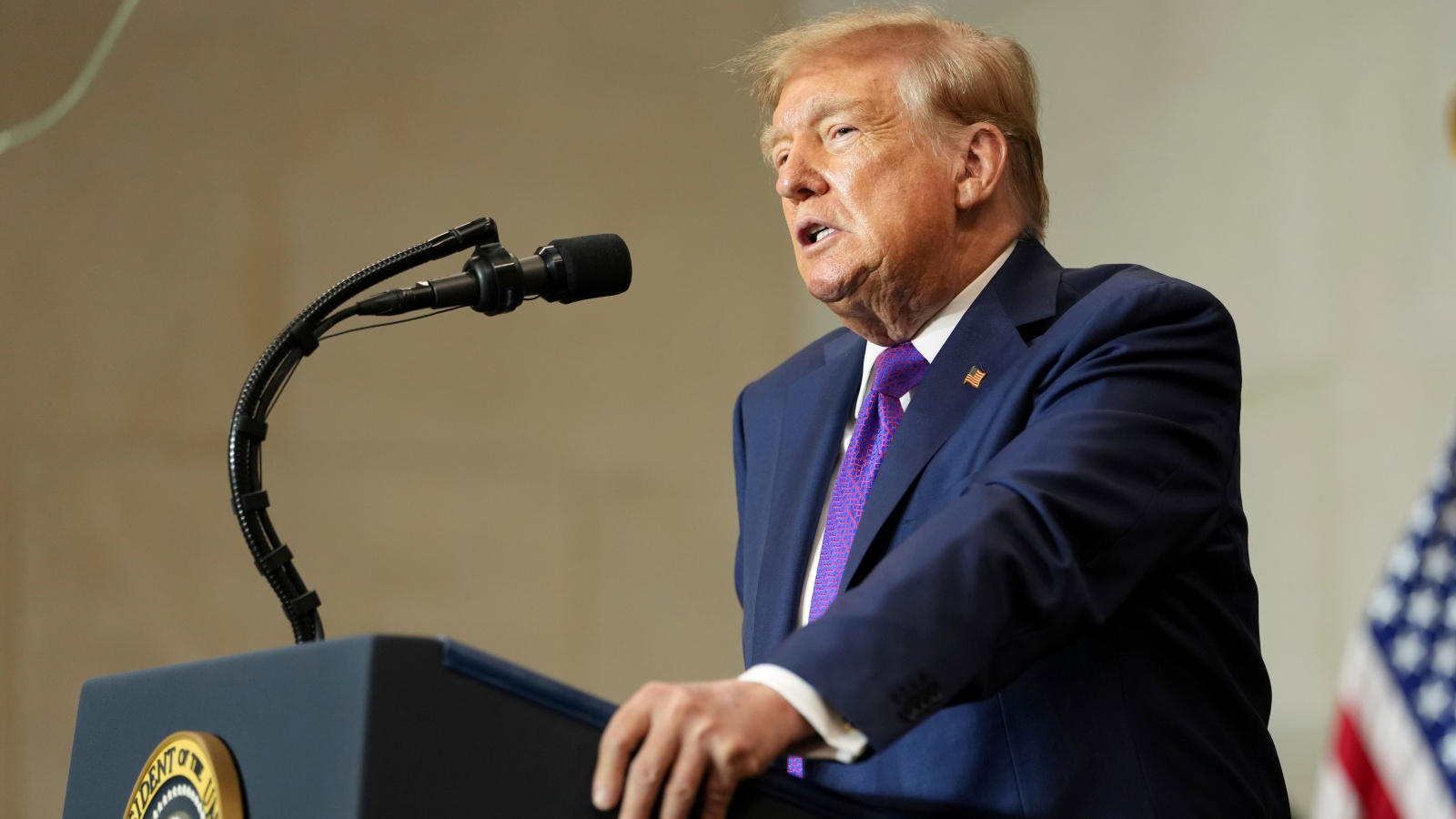
The disclosure arrives amid a cluster of incidents affecting US institutions. President Donald Trump appeared to acknowledge last week that the FBI's National Crime Information Center, the nationwide database local, state and federal police use to share information on criminal suspects, had been hacked. Asked about it in a Fox News phone interview on Saturday, he said: "I will say that it's not good -- I don't like that." The FBI is reportedly investigating.
The US Department of Agriculture also detected a cybersecurity incident last week that forced some internal applications offline, as first reported by Nextgov. Separately, the National Security Agency's internal classified network suffered an outage lasting several days. Officials and businesses said that disruption was not the result of a cyberattack, so it should not be counted alongside the confirmed intrusions.
Director of National Intelligence Jay Clayton has sought to calm concerns. Speaking on several Sunday television programmes, he said probing and cyber incidents have long been part of American economic and everyday life. On ABC's This Week he said, "Cyberprobing, cyberincidents, they have been part of the American economy, part of the American life for a long time," adding that the FBI was handling its case through normal procedures.
That framing may hold as a description of the threat environment, but it leaves open questions the agencies have yet to answer: who was behind the intrusion, how long access lasted, and whether commercial data holdings across agencies share the same weaknesses. Until those answers emerge, the episode will add to scrutiny of how well US intelligence and law enforcement bodies are defending the data pipelines that increasingly underpin their work.