Freebies and State Debt: Why Punjab Tops the Warning List
A sharp opinion piece argues that populist handouts are pushing several Indian states toward a fiscal crisis, and that the blame is shared widely.
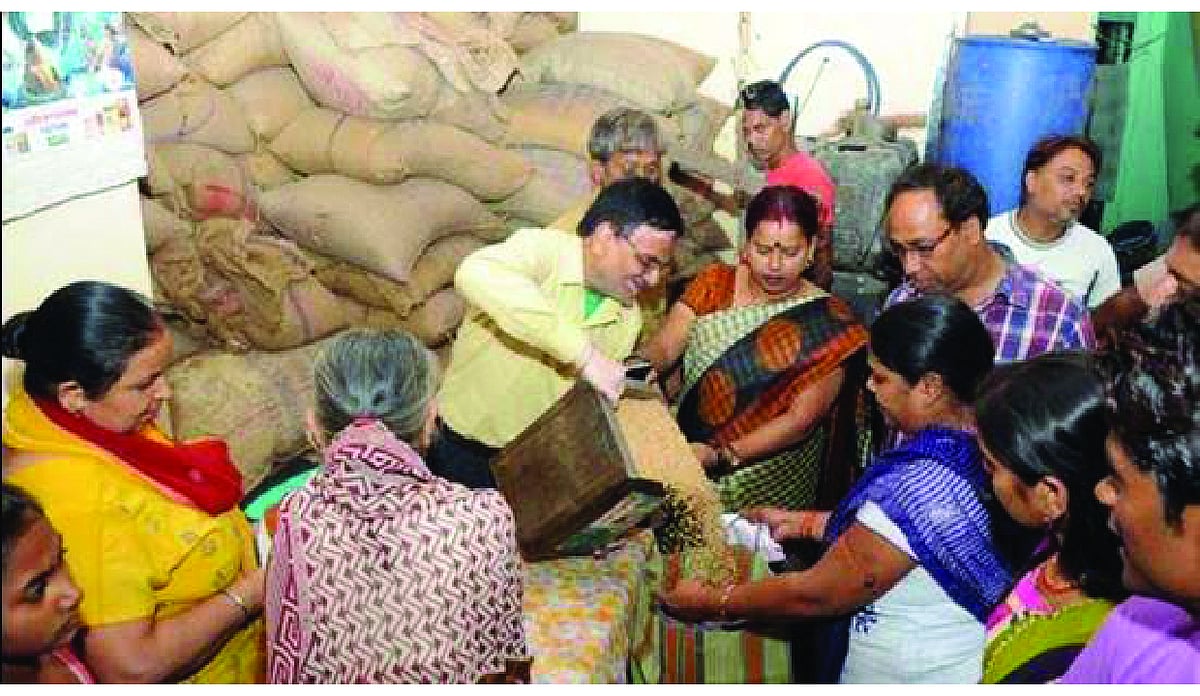
A recent opinion piece in the Daily Pioneer says India's spending on freebies has already done lasting damage. It argues that regional parties, and to a lesser extent the BJP and the Congress, have leaned on populist welfare to win votes. The column names items such as grinders, washing machines, TVs, laptops, subsidised pilgrimages, free electricity and farm loan waivers as examples of spending it sees as hard to justify.
The piece does not oppose all free services. It says free education and healthcare can be defended. The line it draws is between public services that build capacity and handouts that, in its view, buy short-term votes.
The strongest numbers in the column come from an RBI study. The study flagged five states as highly stressed: Bihar, Kerala, Punjab, Rajasthan and West Bengal. It used the debt-to-GSDP ratio, where GSDP is the state's gross domestic product. In 2021-22, Punjab stood at 53.3 per cent, Rajasthan at 39.8 per cent, West Bengal at 38.8 per cent, Kerala at 38.3 per cent and Andhra Pradesh at 32.4 per cent.
The column also points to the Fiscal Responsibility and Budget Management (FRBM) Act. The Act recommended a debt ceiling of 20 per cent of GDP for state governments by 2022-23, against 40 per cent for the Centre. Most states are far above the state-level target, and the column says the gap is driven by committed spending, subsidies and slow revenue growth.
The column makes a specific claim about how some borrowing stays out of view. It says states often borrow through public enterprises and pledge future revenues as guarantees. That kind of off-budget borrowing can make state finances look healthier than they are, because it sits outside FRBM tracking. Punjab's case is central to the argument. The column says its debt ratio has stayed above 40 per cent for six years. It also says the state's AAP government announced that about 51 lakh households would stop paying electricity bills from September, in line with a promise of 600 free units per billing cycle from July 2022.
To make its case, the column draws on Latin America. It says populist movements there, from the 1920s to the 1970s, used inflationary financing to pay for benefits. By the 1980s, the result was large deficits and unstable economies. The column says India should learn from that history.
Readers should keep one point in mind. This is an opinion piece, and the debate over welfare versus fiscal discipline is far from settled. Many economists and welfare advocates argue that cash transfers and subsidies protect the poor and can also support growth. The debt figures above are useful, but how much of that debt comes from freebies, and how much from other causes, is a question the column does not fully answer. For now, the numbers show why state finances are back in the spotlight. Source: Daily Pioneer analysis, 'Freebies are a ticking time bomb'.