Immune-boosting claims are a hindrance, not a help, public health researchers warn
A study of Google results and Instagram posts finds that the popular 'immune-boosting' pitch misstates how the immune system works and mostly serves companies selling products.
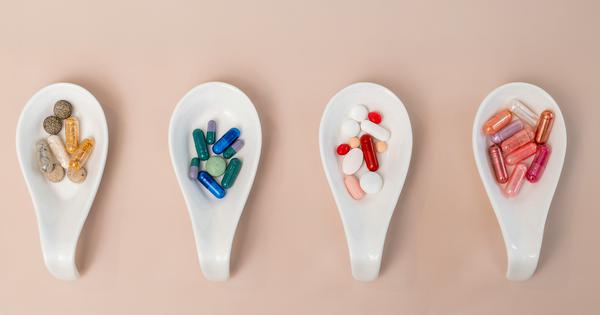
Public health researchers are calling time on the 'immune-boosting' craze, arguing that the trend spreads scientific errors and works largely as a sales pitch. Their analysis of Google search results and Instagram content, carried out during the Covid-19 pandemic, found that the idea of supercharging immunity is both inaccurate and commercially driven.
The phrase is everywhere. Food creators post 'immunity' smoothies, soups and pumpkin loaves. Nutrition books promise 'super powered immunity', and naturopathic clinics offer immune-boosting tips. The researchers note that the language has crept into health material from respected academic institutions too, which makes it harder for readers to tell evidence from marketing.
The core problem, the authors argue, is that the immune system does not work like a dial that can be turned up. It has an innate layer that acts as a general barrier, such as the skin and mucous membranes, and an adaptive layer in which B-cells produce antibodies and T-cells hunt down infected cells. The adaptive system also keeps a memory of past invaders, which is why it responds faster on a second encounter. A healthy immune system must also tell the body's own cells apart from threats. Too little activity leaves people open to infection, while an overactive response can drive autoimmune conditions such as rheumatoid arthritis and multiple sclerosis. The goal, in other words, is balance rather than amplification.
Advice that is genuinely useful, the researchers say, is mundane and well supported: eating well, exercising, sleeping properly and avoiding tobacco and heavy alcohol use. Those habits maintain the system. The 'boost' framing goes further by implying that people are always deficient and need to buy something to fix it.
That framing is where the commercial logic lies. By creating a sense that one's health could always be better, marketers can sell a continuous cycle of supplements, programmes and services. In the researchers' Instagram sample, more than 96 per cent of immune-boosting posts came from creators who sold or promoted products or services. A sample of 28 posts tagged 62 different companies, a ratio that suggests a crowded marketplace built on a vague but emotionally powerful promise.
The stakes extend beyond wasted money. The researchers warn that this kind of content erodes trust in proven interventions, including vaccines, at a time when that trust is already fragile. When audiences are taught to look for a shortcut to immunity, they may be less receptive to the measures that actually protect them. For policymakers and platforms, the finding is a reminder that health misinformation can be sold as wellness, and that regulators and readers alike should ask what a 'boost' is supposed to mean before reaching for the wallet.
The full analysis is available at Scroll.in.