Jensen Huang faces Congress as his Nvidia GTC keynote stays in doubt
Nvidia's returning CEO has a packed week in Washington, with closed-door House questioning and a Senate hearing overlapping the company's biggest showcase.
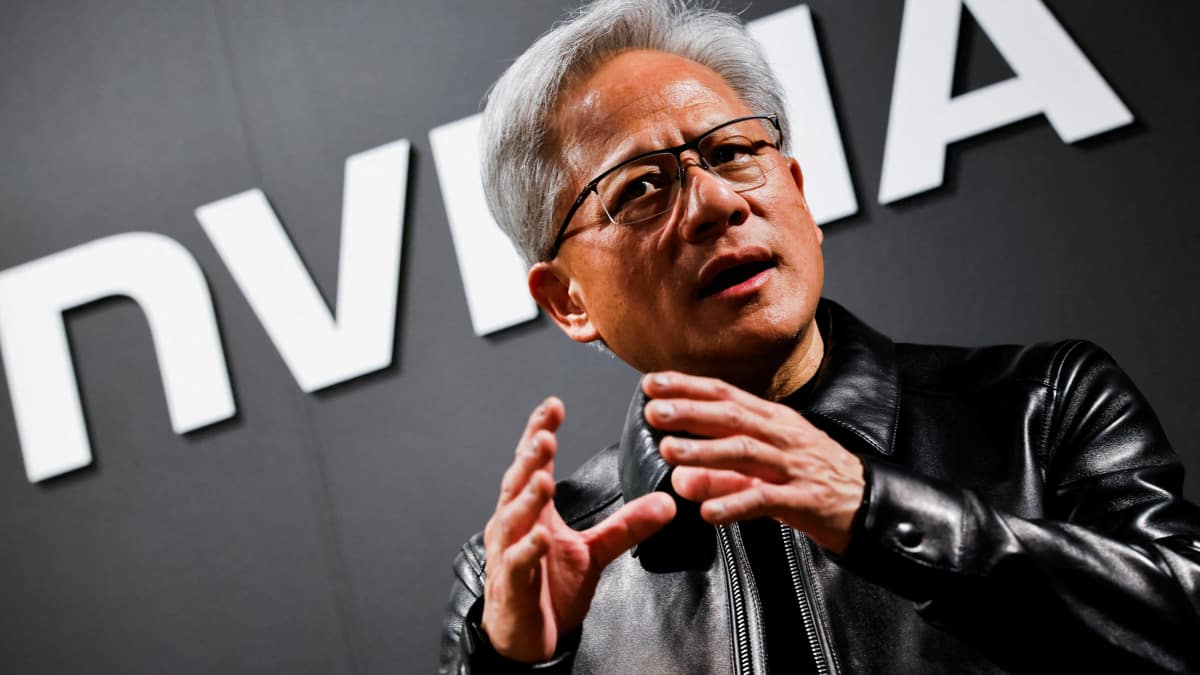
Jensen Huang is back as Nvidia's chief executive, but his first week in the job looks more like a stress test than a victory lap. He is due before US lawmakers on the same days Nvidia is holding its GTC conference in Washington, DC, and the company has not said whether he will take the stage.
"I'll be a better CEO the second time around," Huang said as he returned. The comeback arrives while he faces questions from Congress and several investigations that could shape both his leadership and Nvidia's business.
Huang was originally set to give the two-hour GTC keynote on December 1, usually the main draw of the event. The talk was expected to cover new Nvidia products and where the AI industry is heading. For now, the company plans to put Ian Buck, its vice president of hyperscale and high-performance computing, in that slot. A Nvidia spokesperson has declined repeated questions on whether Huang will attend at all.
The clash of dates is hard to miss. On December 1, Huang is scheduled to sit down with three House committees: Foreign Affairs, the Select Committee on the Chinese Communist Party, and the Select Committee on Intelligence. The interview will be closed-door and transcribed. Lawmakers are expected to press him on Nvidia's alleged links to China.
Two days later, on December 3, the Senate Banking Committee holds a hearing called "Protecting America's AI Advantage: Oversight of US Export Controls." Huang is expected to testify in public as the only witness.
The legal and political pressure goes well beyond Capitol Hill. California Attorney General Rob Bonta is looking into Huang's remarks. Several Senate and House committees have asked Nvidia for answers. The Department of Justice is investigating, and the Securities and Exchange Commission is reportedly doing the same. Huang also has to cooperate with an internal board inquiry run by the law firm Wachtell Lipton. President Donald Trump has told CNBC he played a central role in persuading Nvidia's board to bring Huang back, and that he gave the directors assurances. Some Republicans have criticised the return.
For investors, the bigger question is what this means for sales. Washington is tightening the rules on how Chinese firms can reach Nvidia chips, including by renting them through cross-border arrangements. The Commerce Department recently moved to close that loophole and put Megaspeed on its trade blacklist. Huang also has to reassure customers and partners about Nvidia's role in AI, after a period in which the company backed AI startups while supplying their chips and helping fund their infrastructure. Interim CEO Colette Kress hinted last week that Nvidia might use its balance sheet to support the wider AI ecosystem further. Whether Huang keeps that approach or turns more cautious is still unclear.