Kunal Bahl's H-1B rejection led to Snapdeal and Titan Capital in India
A 2007 visa setback at Microsoft pushed Kunal Bahl to skip a corporate posting in India and start a company, a bet that grew into Snapdeal and a 320-plus startup portfolio.
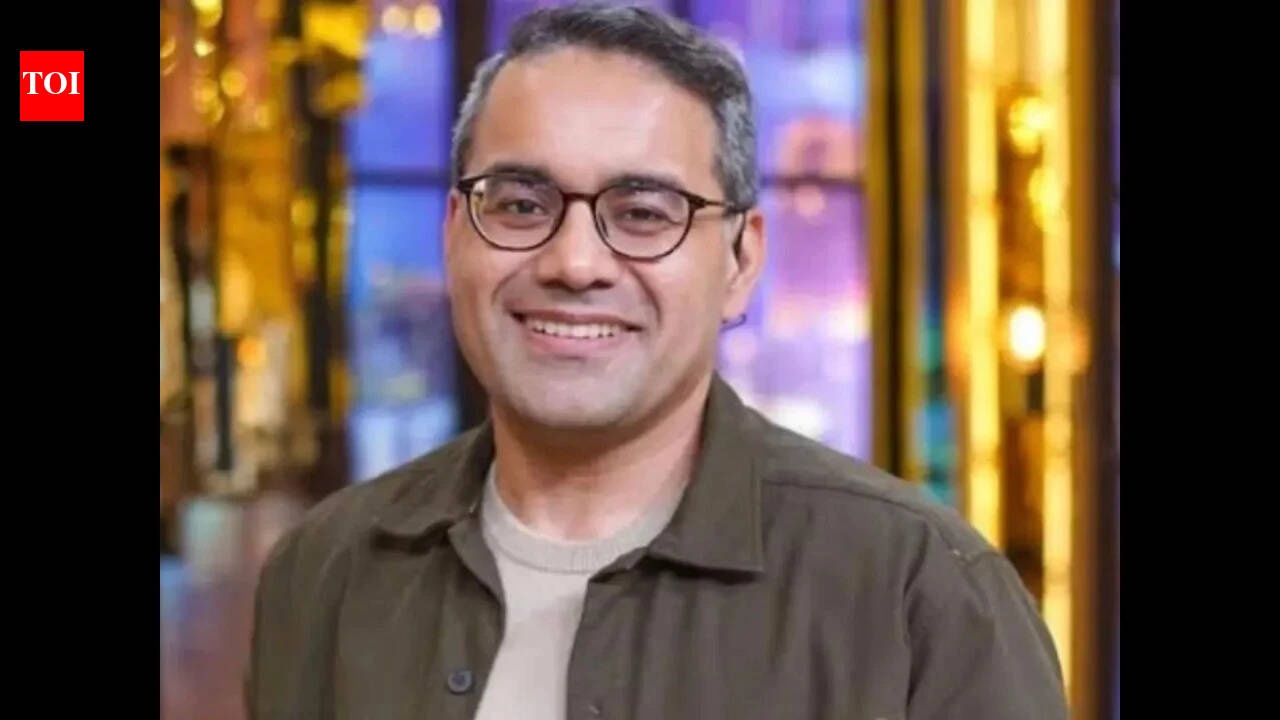
Kunal Bahl, the co-founder of Snapdeal and investment firm Titan Capital, says a 2007 H-1B visa rejection fast-tracked his entrepreneurial career. Then a Microsoft employee in the United States, he declined the company's offer of an India posting and came home to start his own business. He shared the story in an interview with Business Insider.
Bahl studied a combined engineering and business programme at the University of Pennsylvania and joined Microsoft full time in October 2006 after an internship. His H-1B petition was rejected around mid-2007, as his temporary work authorisation was nearing its end. He called the decision a surprise, given that his employer was one of the world's biggest technology firms.
Microsoft's suggestion was to move to its India office and try for the visa again after 12 months. Bahl chose not to wait. He said he felt liberated without the worry of visas and Green Cards, and, having already considered entrepreneurship, decided that going back meant working for himself.
He reached out to Rohit Bansal, a high-school friend working at a financial institution, about building a business together. Their company was incorporated on September 12, 2007, a few days before Bahl landed in India. The pair pooled roughly $60,000 of personal savings, started with a physical coupon-book business, moved to online couponing, and eventually built Snapdeal into one of India's early e-commerce platforms.
The timing was far from easy. Bahl said internet and smartphone penetration were limited, digital payments had yet to spread, and angel investors were hard to find. The founders worked from a small basement office in a Delhi furniture market and lived with their families to keep costs down.
Their next chapter was investing. Bahl and Bansal set up Titan Capital in 2011, and according to Bahl, it has backed more than 320 startups over 15 years, including Ola and Urban Company. Bahl is now associated with AceVector, the parent of Snapdeal, Unicommerce and Stellaro Brands, and appears as a judge on Shark Tank India. The founders have also built businesses that became two publicly listed companies.
For India's startup community, the story is a reminder of how much talent can be redirected by US immigration hurdles, and how a home market that once looked thin on infrastructure can reward patient builders. Bahl himself called the rejection a fortunate turning point, though he acknowledged it was painful at the time. Read the original report here.