Mental Health Stigma: How Diagnosis Labels Can Help and Hurt Patients
An analysis of four major diagnostic frameworks finds that the labels meant to explain mental illness can also deepen the shame around it.
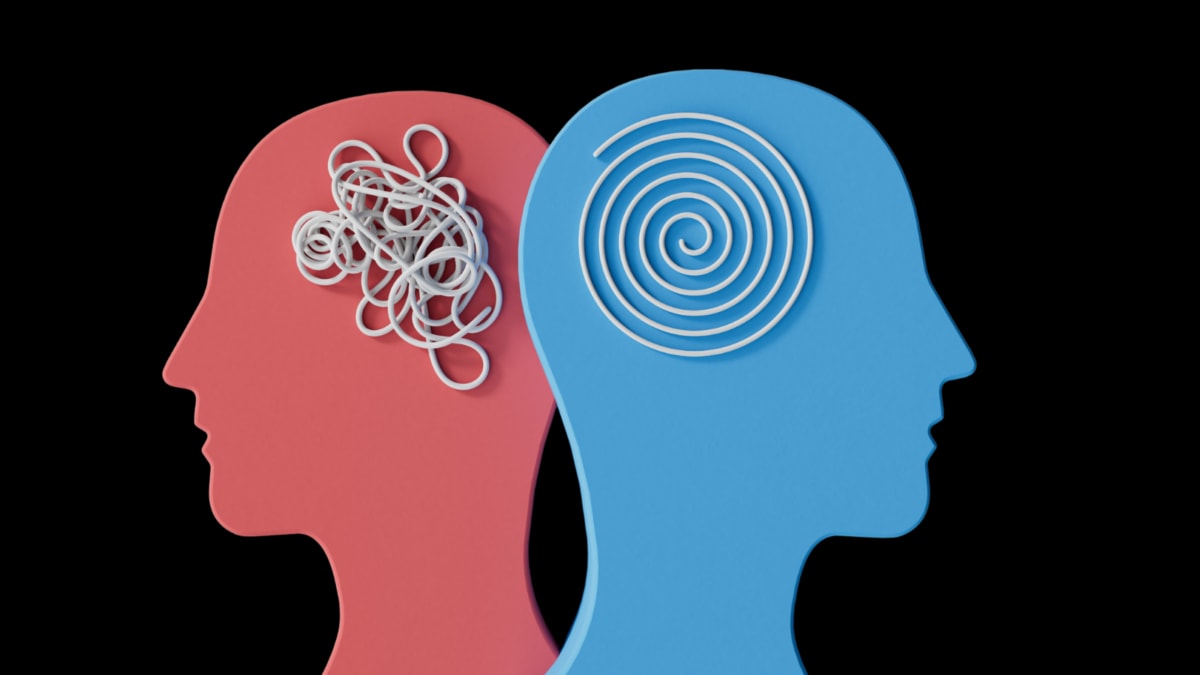
A new analysis of how mental illness is diagnosed argues that the tools doctors use to name a condition can also feed the stigma that keeps people away from care. The piece, published on News18, looks at four widely used diagnostic frameworks and how each relates to prejudice against people with mental health conditions.
Stigma is described as one of the biggest barriers in mental health. It delays treatment, is linked to higher death rates and lowers quality of life. The article goes beyond the older idea of stigma as a mark that spoils a person's standing. It uses a broader view with five parts: labelling, stereotyping, separation, loss of status and discrimination, all backed by unequal power.
The central point is that the link between diagnosis and stigma does not run in one direction. A label can create stigma. The article cites the 1973 Rosenhan study, in which people given a false schizophrenia label saw ordinary behaviour read as a symptom by clinicians. But fear of stigma can also come first. People who expect to be judged, or who judge themselves, may avoid seeking help and never get diagnosed.
Culture matters too. The article says stigma is often more deeply felt and more moralised in collectivist societies than in individualistic ones. It cites a 2009 study across 27 countries in which 72% of people diagnosed with schizophrenia felt they had to hide it. About 47% faced discrimination in making friends, and 64% faced it when applying for jobs, training or education. For readers in India, where family and community ties shape many decisions, the findings point to why people may stay silent about their health.
The article also warns that efforts to cut stigma without understanding how diagnosis works have been linked to overdiagnosis, especially of ADHD, autism spectrum disorder and common mental disorders. On the DSM, the manual from the American Psychiatric Association's field that is the most widely used in psychiatry, it notes criticism of its symptom-count, category-heavy approach. Critics say it can push prevalence estimates as high as 46.4% and produce overlap between conditions of up to 50%, which blurs the lines between diagnoses.
Explaining mental illness as a brain-based condition has increased support for treatment and somewhat reduced the blame placed on patients. But it has not cut stigma among the public. Perceptions that people with a diagnosis are dangerous, and the wish to keep distance from them, have grown. The takeaway is that a diagnosis is useful but is not a cure for prejudice, and how conditions are explained to the public matters as much as how they are named.
Read the original piece at News18.