Mike Pence blames Trump's Iran pause for Republican midterm losses
On Meet the Press, the former vice president rejected JD Vance's reading of the 2026 results and argued that voters punished a halt to the campaign, not the war itself.
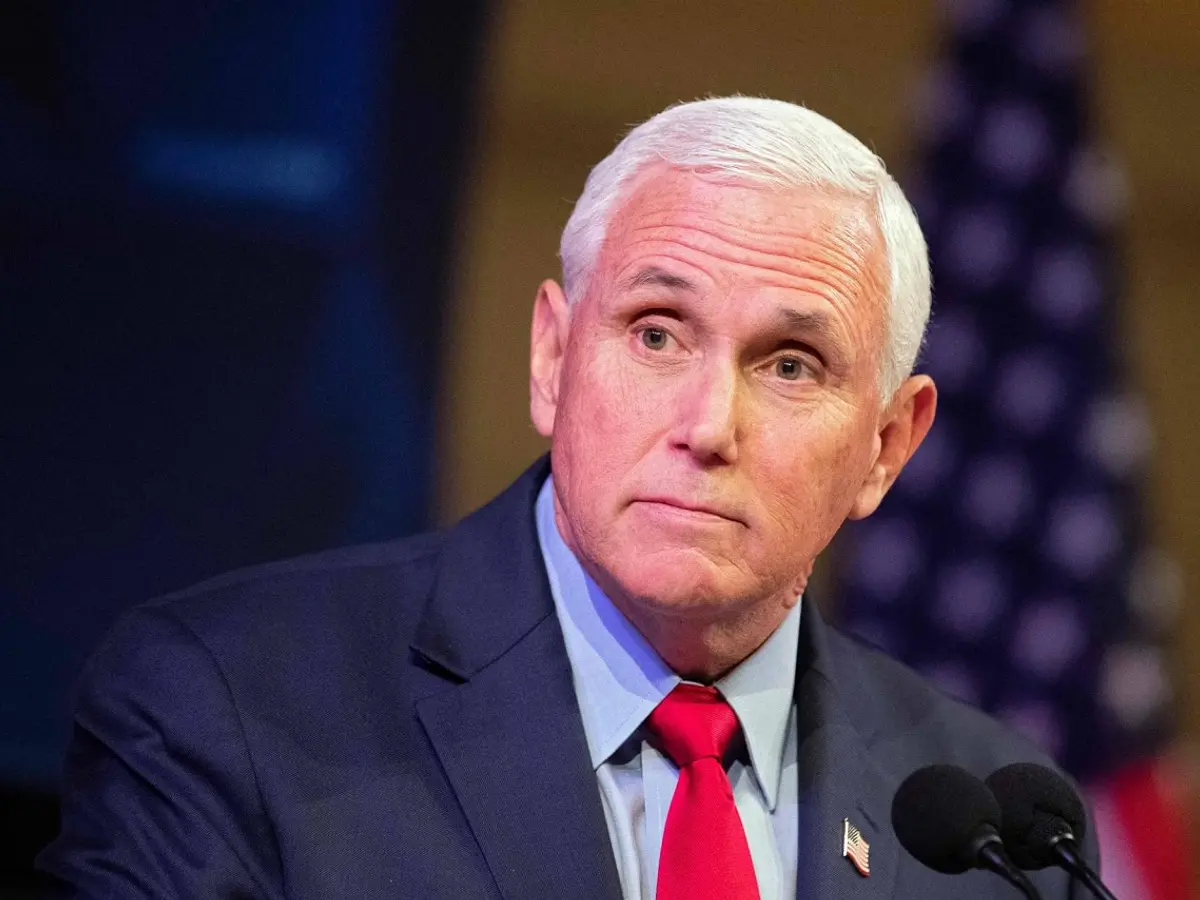
Former US Vice President Mike Pence said on Sunday that Republicans lost the 2026 midterm elections not because Americans opposed the war with Iran, but because the Trump administration stopped fighting after five weeks of significant battlefield gains. Appearing on NBC's Meet the Press, he directly challenged the explanation offered by current Vice President JD Vance.
"We didn't lose this midterm election because of the war," Pence said. He praised the US military's conduct during Operation Epic Fury, including strikes on thousands of Iranian military sites, but questioned why the offensive was halted. His line of the day: "You don't make peace with your enemy, you make peace with your defeated enemy."
Vance had offered a different diagnosis in a statement. By his account, some voters who backed the Trump-Vance ticket in 2024 moved to the Democrats in 2026 over dissatisfaction with the Iran conflict, rising living costs, inflation and the administration's approach to the relationship with Israel. Pence's argument essentially inverts that: the war was not too much for voters, the ending was too little.
Pence also pointed to reported Iranian attacks on US targets in Bahrain as evidence that Tehran does not see itself as beaten. He further suggested that growing isolationist voices inside the Republican Party may have shaped the decision to stop, a pointed jab at the party's own internal balance of power.
The administration's own messaging has been mixed. Trump earlier told reporters at a White House briefing that the conflict was "effectively over", yet on Veterans Day he indicated that a formal end would hinge on what he considered complete victory. That ambiguity gives both Vance and Pence room to read the electorate's mood their own way.
The stakes go beyond post-mortem score settling. An October estimate put the campaign's cost at roughly $47.1 billion, sharpening scrutiny of how the war was run and why it paused. How Republicans interpret their midterm defeat, as a rebuke of hawkishness or of half-finished hawkishness, will shape their foreign policy platform and the argument over Israel, spending and restraint heading into the next cycle.