Nepal says PM Shah's Delhi visit reset ties, with two more Indian ports offered
Foreign Minister Shisir Khanal told a Kathmandu briefing that the Joint Vision Document signed with India opens a review of the 1950 Treaty and widens Nepal's access to Indian seaports.

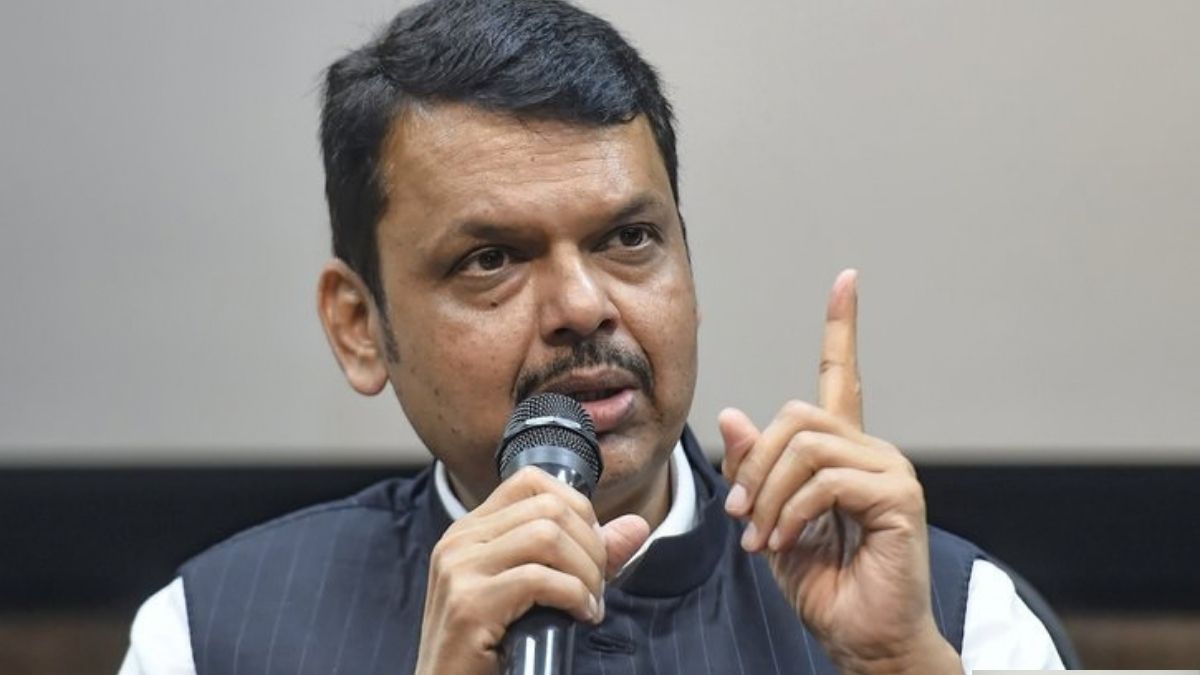
Nepal's Foreign Minister, Shisir Khanal, said on Monday that Prime Minister Balendra Shah's two-day state visit to India had put bilateral relations back on a positive and constructive footing. Briefing the press in Kathmandu on November 24, after Shah's return from the November 22-23 trip, he called the visit a milestone. He said India had agreed to give Nepal access to two more seaports.
Khanal said the visit was made at the invitation of Prime Minister Narendra Modi. It was the first bilateral visit to India by the head of the current Nepali government, which took office after the country's recent political transition and general elections. Shah, he said, invited Modi to visit Nepal.
The two leaders held delegation-level talks at Hyderabad House in New Delhi on November 23. According to Khanal, the agenda covered connectivity, energy partnership, trade and economic cooperation, people-to-people ties and sports. The Prime Ministers also exchanged views on regional and international developments.
The main outcome was a Joint Vision Document titled "Developed India - Prosperous Nepal", which Khanal described as a framework for a more result-oriented partnership. It provides for expanded cooperation in economic and development partnerships, physical and digital connectivity, energy and people-to-people exchanges. Both sides also agreed to explore newer areas, including climate resilience, disaster risk reduction, agriculture, education, healthcare, start-ups, digital services, space, innovation, culture and tourism.
The document also sets out a framework for reviewing existing treaties, agreements and understandings, the 1950 Treaty among them. Khanal said the aim is to enable cooperation in emerging areas and align the relationship with present-day needs. He did not describe a timetable or the terms of any revision in the remarks available, so the scope of the review remains to be defined.
On trade and transit, a long-standing Nepali concern, Khanal said both countries had agreed to improve trade facilitation, transit arrangements and cross-border connectivity. India will give Nepal access to Deendayal Port at Kandla in Gujarat and Paradip Port in Odisha. Nepal already has access through Kolkata and Visakhapatnam. Khanal said the additional ports would ease Nepal's international trade and open new opportunities for its entrepreneurs.
The outcomes will be judged on implementation. The port access and the treaty review are the two commitments most likely to affect everyday commerce and the legal basis of the relationship, and both will need follow-up negotiations between the two governments. Read the original report here.