Nifty ends week at 25,144 as foreign inflows lift broader market
Renewed foreign buying, cheaper crude and steady quarterly earnings steadied Indian equities, though analysts expect a pause before any fresh advance.
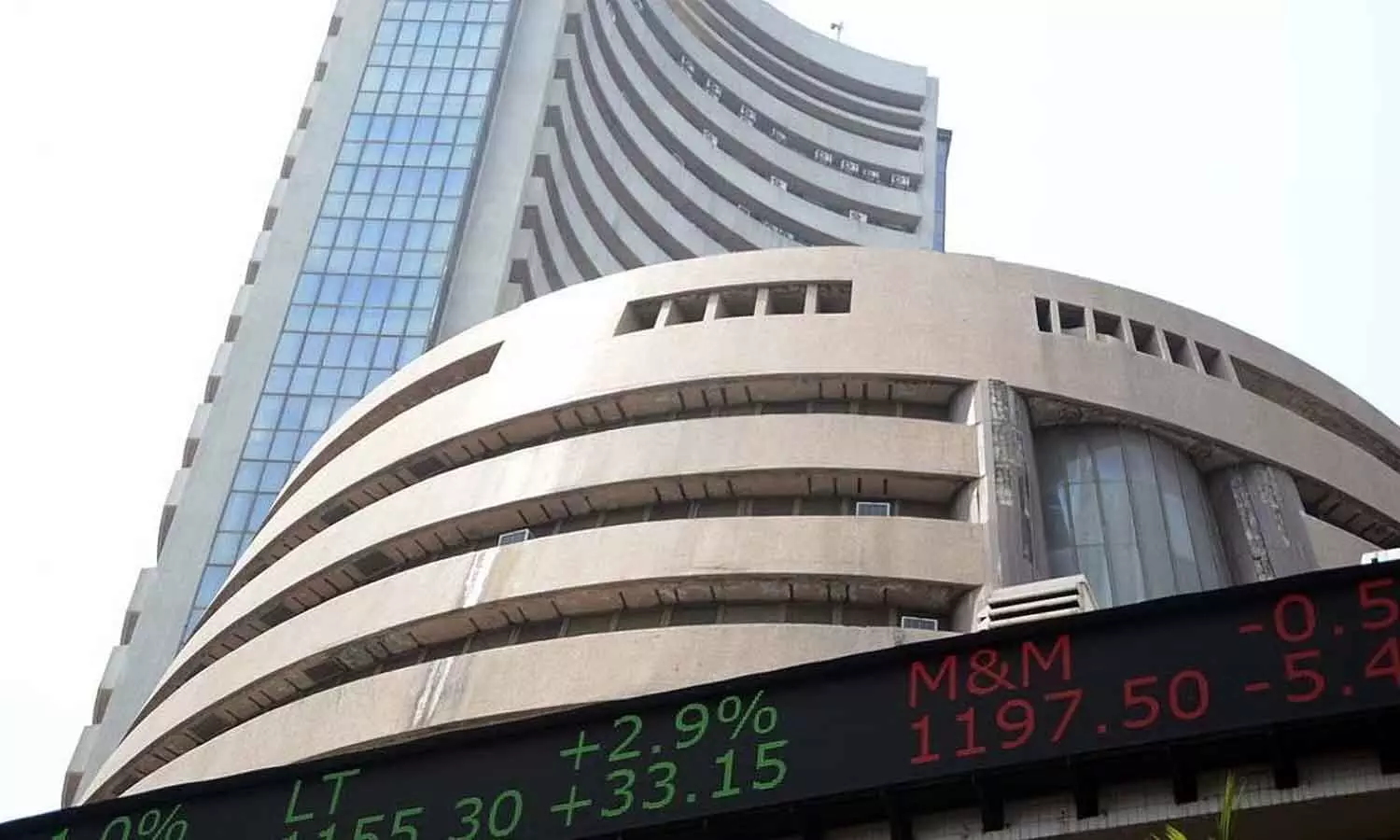
Indian equities held their ground through the latest trading week, with the Nifty closing at 25,144.30, up 0.27 per cent, and the Sensex at 81,592.45, up 0.33 per cent. The headline gains were modest. The more telling movement came beneath the surface, where mid-sized and smaller companies outpaced the large-cap benchmarks.
The Nifty Midcap 100 rose 3.6 per cent over the week to 61,889, while the Nifty Smallcap 100 gained 2.1 per cent to finish at 19,656.45. That divergence points to wider participation than the index-level numbers suggest, a feature market watchers generally look for when judging whether a rally has staying power.
Foreign institutional investors are the main reason for the improved mood. They have put a net Rs 76,188.75 crore into Indian equities so far in November, a sharp reversal after net outflows of Rs 70,704 crore across September and October. Lower international crude prices and a largely satisfactory second-quarter earnings season added to the support.
Two factors appear to have shaped the foreign interest. The sell-off in artificial intelligence-linked shares in the United States and parts of Asia has made India, with comparatively limited exposure to that theme, look like a steadier destination. There is also policy speculation. Media reports say the Securities and Exchange Board of India has proposed, in its pre-Budget suggestions, that the government remove the 12.5 per cent long-term capital gains tax on equity holdings of foreign portfolio investors. Such a change would lower their tax burden, though the government has not acted on it.
Inflation and interest rates remain the main uncertainty. After the latest consumer price data, a rate increase by the Reserve Bank of India in December cannot be entirely ruled out. Cheaper crude, however, makes aggressive tightening less likely. The central bank is not expected to turn more accommodative until food and core inflation show a sustained easing.
Corporate results have been a counterweight. The second-quarter figures show healthy revenue and profit growth despite global disruption, technological change and supply-chain volatility. A weaker dollar and continued portfolio inflows could add further support.
The outlook offered is one of consolidation rather than retreat. After a steep November recovery, the market may pause before its next advance. A durable breakout, analysts argue, would need upward earnings revisions and broad participation, not just liquidity pushing valuations higher. Some observers believe Indian equities could close 2026 at a record high with gains extending well beyond large companies, although that remains a view, not a forecast the data yet confirms.
This report draws on market commentary published by The Hans India.