Nvidia board faces heat after bringing Jensen Huang back as CEO
Governance experts and US lawmakers are questioning why Nvidia's directors reversed course within days, and what role the White House played.
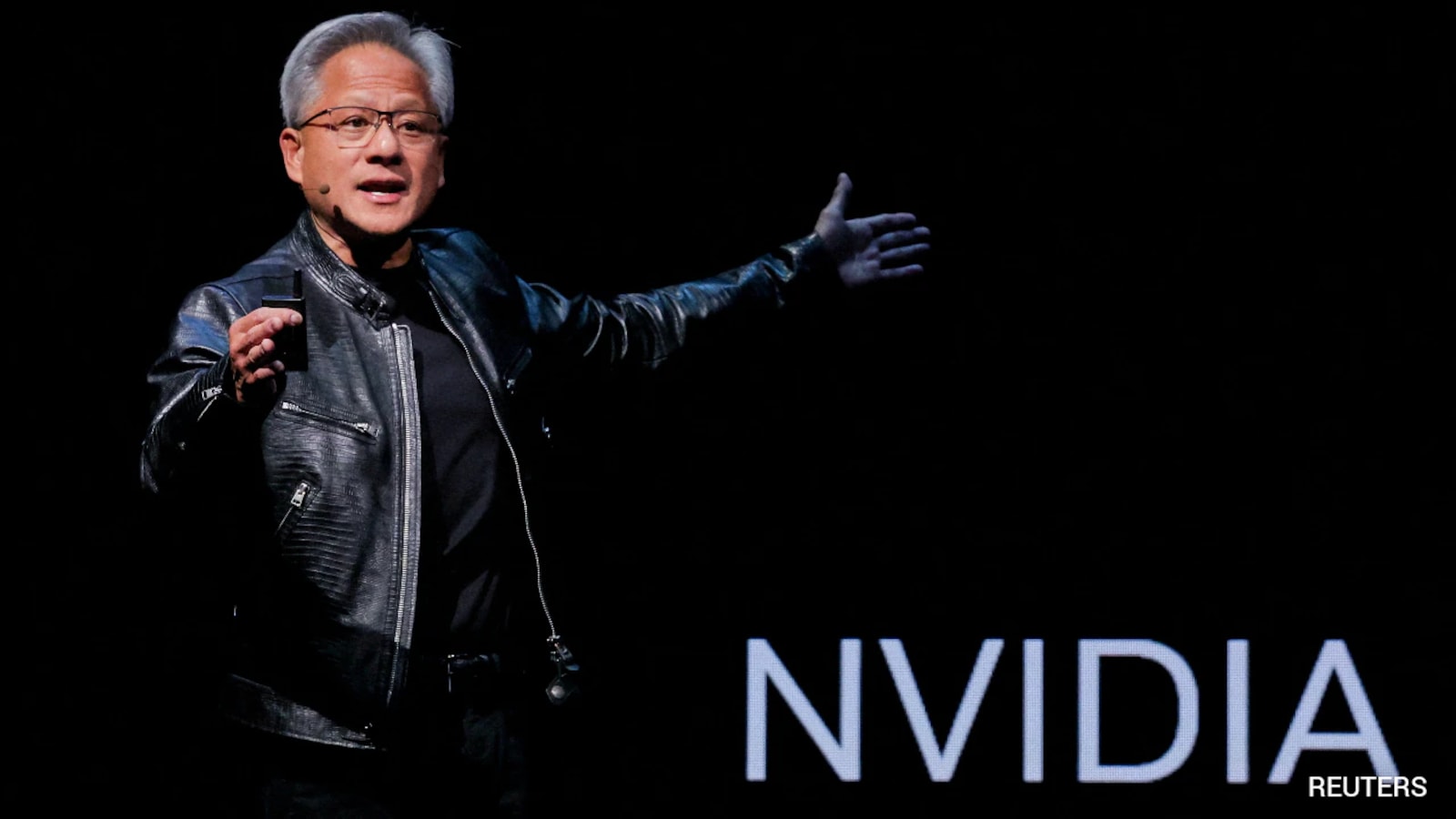
Nvidia's board is now under as much pressure as Jensen Huang. On Monday, the 10-member board unanimously voted to bring him back as president, CEO and director, just days after it accepted his resignation. The company said the decision followed talks with Huang and "input from senior levels of the United States government."
The reversal is abrupt. Around six days earlier, the board had unanimously accepted Huang's resignation after he admitted to an affair with a woman suspected of being a Chinese spy. According to the source report, Chairman Harvey Jones said at the start of a quarterly earnings call that the board did not plan to reinstate him. President Donald Trump has since said he believes his intervention was key to the outcome.
Governance specialists are sharply critical. Kathleen Day, a lecturer at Johns Hopkins Carey Business School, called it "crazy" to bring back someone who hurt the company's reputation under pressure. She argued that a board answers to shareholders, not to the chief executive, and said shareholders should demand a new one. Some experts have gone further and urged the directors to resign.
The makeup of the board is part of the debate. It mixes long-standing associates of the company with newer members drawn from firms such as Taco Bell, PepsiCo and Eli Lilly. Nada Kakabadse of the University of Reading's Henley Business School said long tenures can erode independence, and that eight years is a sensible limit. US exchanges require a majority of independent directors, but she noted that American tech firms often fill boards with allies or high-profile names who may not know the business closely.
Peter Cohan of Babson College said the board should have held its line and found a new CEO. In his view, giving in to Trump puts the company at risk because it tells Huang he can act as he likes without consequences.
The row has also reached Washington. Huang's affair raised questions about how well Nvidia complies with US export controls, and lawmakers from both parties have reacted to his return with criticism and doubt. Sen. Elizabeth Warren, the incoming chair of the Senate Banking Committee, called the decision "reckless". Capitol Hill is pushing for more openness from Huang and the board, including clarity on what the government's "input" actually was.
For investors, the bigger question is whether the board can show it is independent of both its CEO and the White House. Nvidia has not yet said what the government's input consisted of.