Odisha Plans 314 Block-Level Stadiums at Rs 4,124 Crore, One for Every Block
The state wants a playing ground within reach of every rural block, betting that talent spotting works best when the infrastructure is local rather than a long bus ride away.
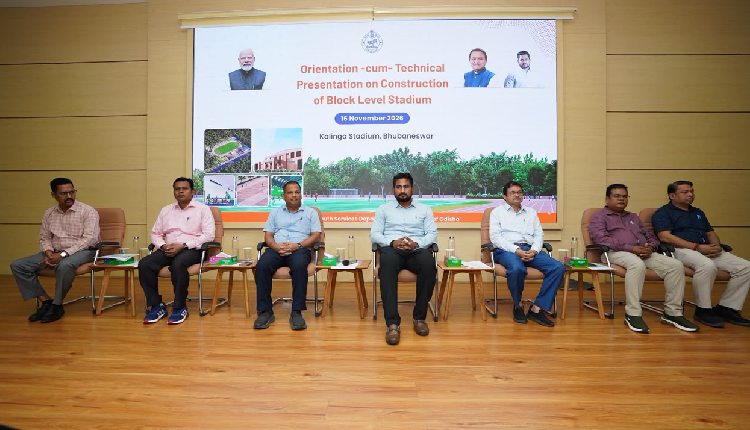
The Odisha Government has decided to build 314 block-level stadiums, one in each block of the state, at an estimated cost of Rs 4,124 crore. The aim is to strengthen sports infrastructure and identify and nurture athletes at the grassroots.
The plan was presented at an orientation-cum-technical programme at Kalinga Stadium in Bhubaneswar on Monday. Sports and Youth Services Minister Suryabanshi Suraj attended as chief guest and told officials to maintain quality standards and finish all construction within the stipulated period.
On paper, the design is broad. The stadiums are to host football, cricket, athletics and volleyball, with dedicated zones for throwing and jumping events. Traditional sports such as kho-kho and kabaddi get specific provisions, a notable nod to games that are popular in villages but often neglected when money is allocated.
Each venue will also include an indoor hall with badminton courts and table tennis facilities, plus a Common Facility Centre. Water supply, drainage, lighting and security are part of the package, the unglamorous essentials that often decide whether a rural facility remains usable after the inauguration photos.
The policy logic is simple: a talent pipeline is only as wide as its first step. Spreading venues across all blocks, rather than concentrating them in Bhubaneswar and a few other hubs, could give young athletes a place to train and compete and a visible route to treat sport as a career. The minister framed it in those terms, saying the initiative is meant to give emerging talent in every block that opportunity.
The harder test will be delivery. Officials from the Rural Development Department, the Works Department and IDCO were present alongside the senior Sports and Youth Services leadership, which suggests the project spans several agencies. Coordinating them across 314 sites, and then funding coaches, equipment and maintenance, will matter as much as the concrete. The source report does not detail a timeline, staffing plan or operating budget.