Putin Pushes India-EAEU Free Trade Deal as Bilateral Trade Heads for $100 Billion
Moscow wants a firm timeline for an India-EAEU pact, and early 2026 trade numbers suggest the $100 billion goal is within reach.
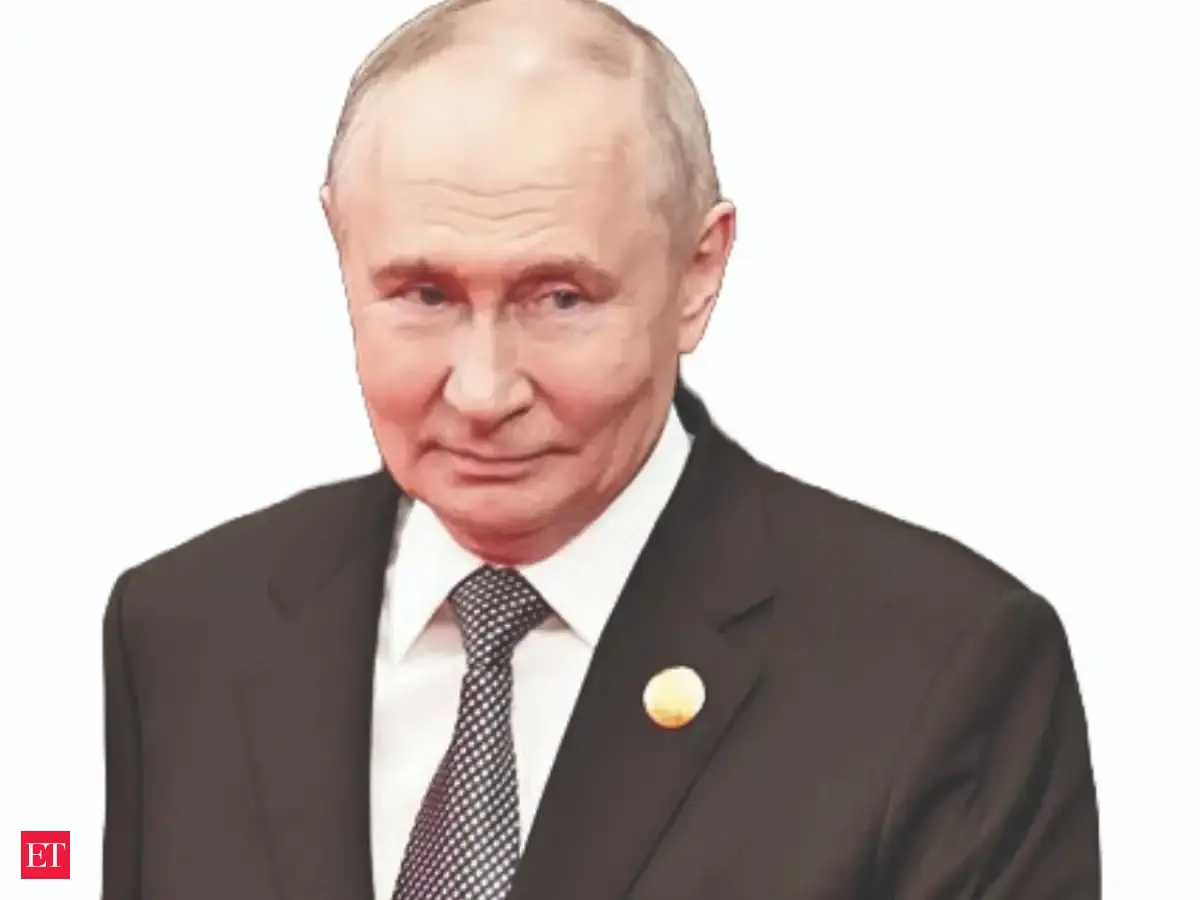
Russian President Vladimir Putin has made a push to fast-track a free trade agreement between India and the Russia-led Eurasian Economic Union (EAEU), naming India as a market Moscow wants to lock in. Speaking at the APEC Summit in Shenzhen, Putin pointed to his earlier talks with Prime Minister Narendra Modi in September, where both sides discussed setting fixed timelines for negotiations.
Putin's argument centred on where global growth is heading. He said the economic weight of the world has moved toward Asia-Pacific, and that India sits at the heart of that shift. He also pointed to Russia's expanding network of trade deals, saying the population covered by those agreements has grown from about 185 million to nearly 570 million over the past three years. The list includes agreements with Iran, the UAE and Mongolia, with a pact with Indonesia on the way.
The India-EAEU track is not starting from zero. Last year the two sides signed terms of reference to launch formal FTA negotiations. Beyond tariffs, both countries have flagged possible joint work in metallurgy, engineering goods, railways, aeronautics, critical minerals, agriculture, high technology and artificial intelligence, which gives the talks a broader industrial agenda than a simple goods-tariff exercise.
The trade numbers give the push some momentum. Russian trade commissioner Andrey Sobolev, speaking in Visakhapatnam last week at an event hosted by the Confederation of Indian Industry, said bilateral trade reached $55 billion in the first eight months of 2026. That is a 26% rise on the same period a year earlier, and Sobolev said the pace keeps the relationship on track for the $100 billion annual target by 2030.
Sobolev also cautioned that volume alone is not the goal. He argued the next phase should focus on diversifying what the two countries trade and making the flow of goods more balanced. For Indian exporters and policymakers, that suggests the FTA talks will be judged not just on how much moves across borders, but on whether the deal opens new categories of trade in both directions.
Read the original reporting here: Economic Times coverage of Putin's remarks on India and the EAEU.