Trump Blasts Federal Reserve Over Rate Hikes, Cites India's Lower Borrowing Costs
The US president accused the Federal Reserve of acting for political reasons, arguing that higher rates are holding back a economy he says is performing strongly.
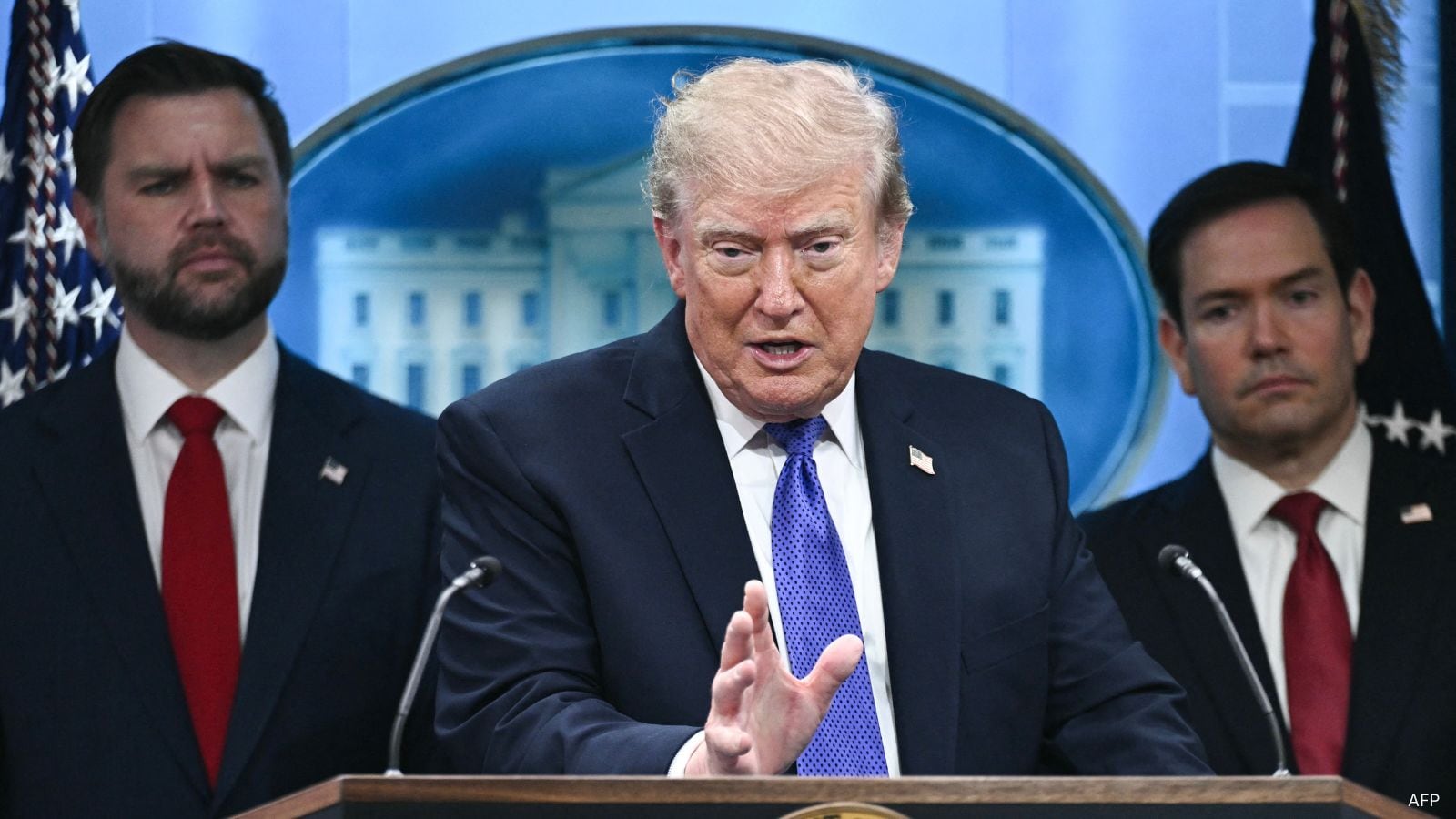
US President Donald Trump has criticised the Federal Reserve for raising interest rates despite what he described as strong national economic figures. Speaking to reporters at the White House on Friday, Trump said the central bank was “political” and blamed its rate decisions for holding back American growth.
Trump said he was not targeting the Fed chair personally, but argued that the institution raises borrowing costs whenever the government reports good numbers. He claimed that the US, given its credit standing, should be lowering rates in such conditions, and that growth could reach 15 to 20 per cent rather than the roughly 4 per cent he cited. These projections are the president's own estimates and are not drawn from any official forecast.
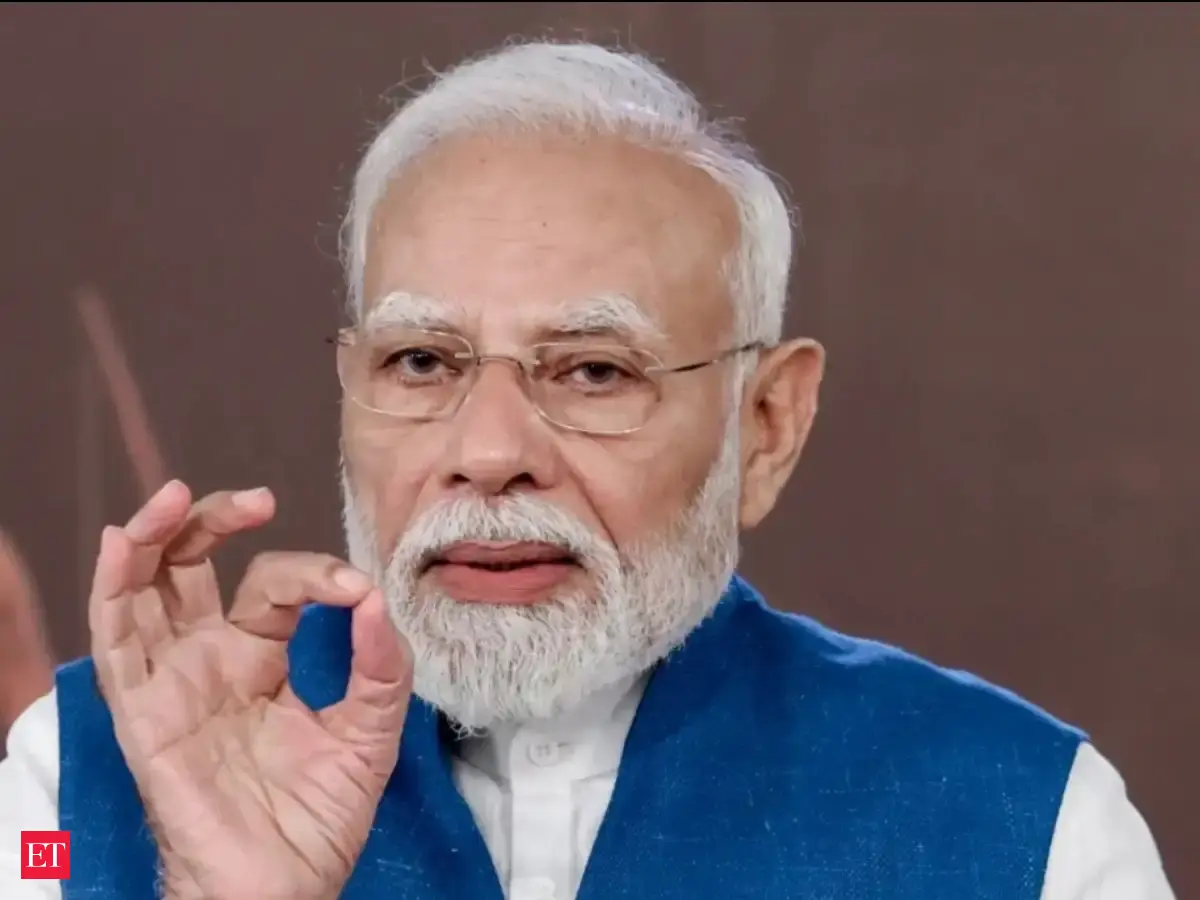
To make the comparison, Trump pointed to India, which he said keeps interest rates low while posting around 7 per cent growth. He argued that the United States should aim for the lowest rates in the world, adding that other countries were successful largely because of American economic leadership. Those remarks were made without supporting data.
The context for the criticism is a decision the Fed took in September, when it raised rates for the first time since 2023. That move went against the president’s repeated call for cuts. Fed chair Kevin Warsh has said the priority is to contain inflation. Official estimates put US GDP growth at 3.4 per cent for the July to September quarter.
India’s position is different. The Reserve Bank of India raised its repo rate by 25 basis points to 5.5 per cent in September after its bi-monthly policy review. Although that is among the lower policy rates globally, it is not the lowest. India also recorded 7.8 per cent growth in the April to June quarter and remains one of the fastest-growing major economies.
The episode matters because it highlights a recurring tension between an elected executive seeking faster growth and a central bank focused on price stability. Whether the Fed changes course will depend on inflation data rather than on public pressure, and India’s example shows that a low-rate approach carries its own trade-offs. The full remarks are available at NDTV.