Amit Shah Says Kashmir Has No Local Terrorists Left, Urges Strike on Entire Terror Network
A day after Lateef Bhat's killing, the Home Minister used the Anti-Terror Conference to push for shared goals, accountability and deeper intelligence integration across states and agencies.
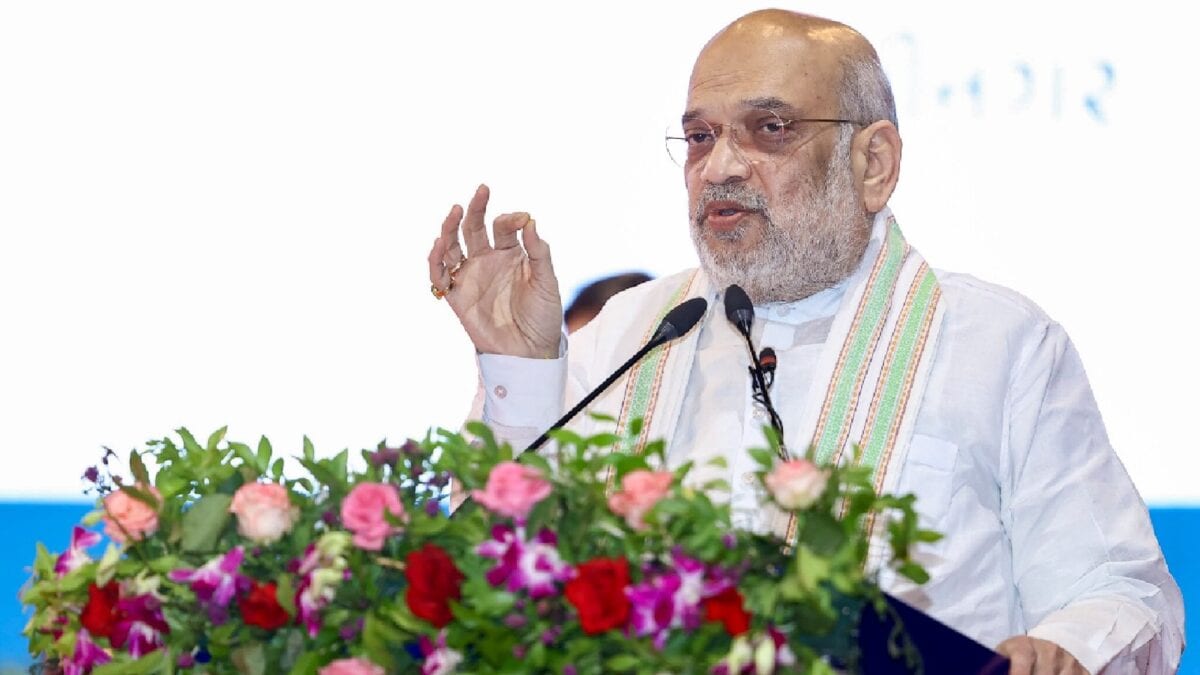
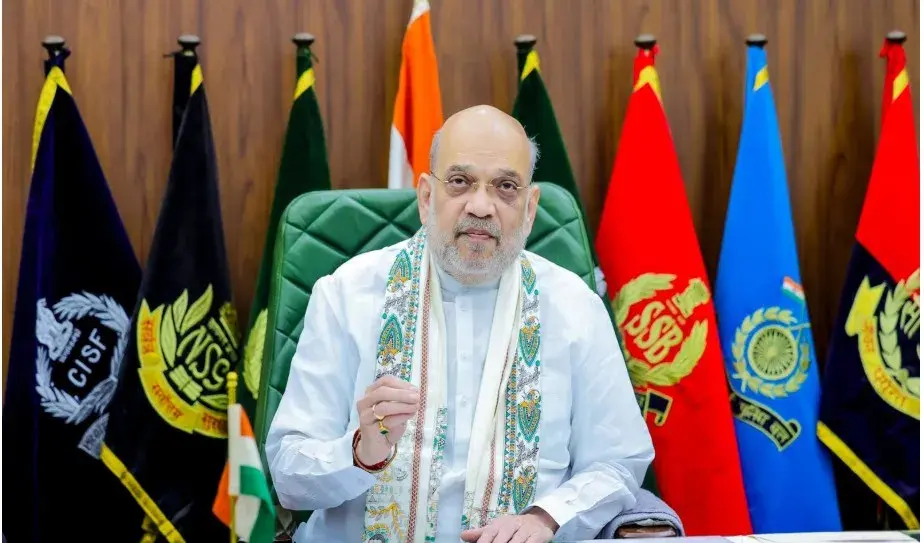
Union Home Minister Amit Shah on Wednesday called for a coordinated assault on the "entire terror network", from financiers to harbourers, a day after security forces killed Lateef Bhat, described in police records as the last local terrorist active in Kashmir. Speaking at the Anti-Terror Conference, Shah said the Valley is now free of local militants for the first time, according to those records.
Shah, quoted in a Ministry of Home Affairs statement, said success would elude the system unless the whole chain of terror financing is targeted, which he said requires closer work with financial investigation agencies. He also wanted state police and other agencies to move toward a model that catches and jails suspects before they can carry out an attack.
The minister placed heavy weight on accountability. "Unless our goals are shared and accountability for achieving them is clearly established, success cannot be achieved," he said, urging better coordination between states and within agencies. He added that proactive action must be strengthened in India's counter-terrorism policy, with more emphasis on structural and operational capability.
The Bhat operation served as his case study. Details that have emerged indicate that human intelligence and smooth inter-agency coordination allowed the killing without collateral damage. Shah said a mechanism is needed to carry police station-level intelligence through multiple tiers up to the Director General of Police so that it becomes actionable, and that an integrated system is being built so police stations nationwide work to a unified counter-terror strategy.
On emerging threats, he asked every state's Anti-Terrorism Squad to strengthen its cyber expert units, and named a Quadrangular Regional Security Grid in border states as a priority. He said the Multi Agency Centre's remit has been widened to cover cyber security, narco-terrorism and radicalisation hotspots, and that a National Memory Bank has been set up.
Shah also stressed bringing back offenders hiding abroad. The MHA says 303 fugitives have been returned from 36 countries since 2019, and he credited intelligence agencies and the CBI. He added that the National Investigation Agency has now been empowered to protect the interests of Indians living abroad.
The declaration of a Valley without local militants is a significant marker, but Shah's own emphasis on financiers, harbourers and cyber radicalisation suggests the focus is shifting to networks that are harder to see. Whether the accountability framework he describes translates into measurable targets for states remains to be seen. Source: News18.