Anbumani Ramadoss Urges Indian Firms to Back Preventive Healthcare Over Curative Care
At an ICRIER seminar, the Union Health Minister argued that keeping workers healthy is a business and economic priority, not just a social cost.
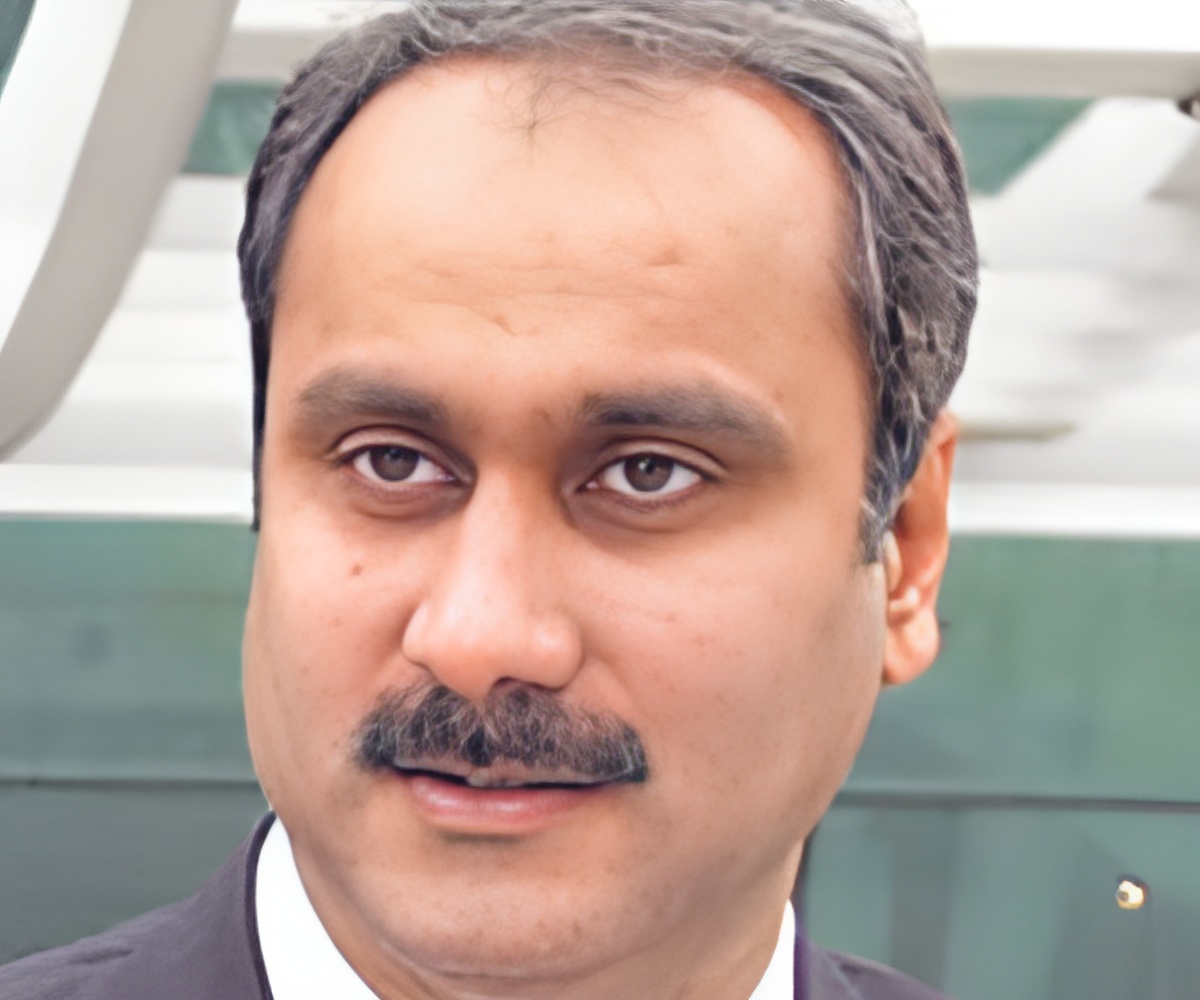
Union Health and Family Welfare Minister Dr. Anbumani Ramadoss used a seminar organised by the Indian Council for Research on International Economic Relations (ICRIER) to make the case that preventive healthcare should move to the centre of corporate planning in India. He said that in most developed countries, prevention is now favoured over treatment because a healthier workforce is a more productive one.
The numbers he cited were sobering. He put the loss to India's national income from heart disease, stroke and diabetes at about $9 billion in 2005 alone, and warned that losses could exceed $200 billion over the next decade if employee sickness keeps rising. Some companies, he noted, are already losing around 14% of their annual working days, which works out to more than 51 days a year, to illness. He also pointed to weak public spending, with per capita government health expenditure far below levels in the United States and public health spending stuck near 0.9% of GDP since the mid-1980s.
Ramadoss acknowledged that preventive care in India is still at an early stage. He linked its growing profile to changes in the corporate environment, including globalisation, urbanisation and the stress that comes with them, which he said feeds unhealthy lifestyle habits. Lifestyle, he argued, is the single biggest driver of rising healthcare costs that are eating into company profits. He suggested that firms ask hard questions about whether staff are sedentary, overweight, or juggling elderly parents, young children and demanding jobs.
On the business side, he cited a study from the Journal of Occupational and Environmental Medicine, which he said found that reducing a single health risk can lift on-the-job productivity by about 9% and cut absenteeism by 2%. He called for measures that lower absenteeism, raise productivity and contain healthcare spending, and urged companies to design workplaces that people actually want to be part of. He also acknowledged that deadlines, long hours, fast-changing technology and interpersonal conflict are now part of everyday work life.
Looking ahead, Ramadoss called for greater private participation in the health sector and for new financing models to be institutionalised. He noted that private providers deliver roughly three-quarters of India's health services and argued that public-private partnerships could align private investment with public health goals. His broader message was that India should treat health as an investment in human capital rather than a social cost, a framing that could matter as much to boardrooms as to policymakers. The full remarks are available at the original Medindia report.