Chandigarh civic polls: Why city voters turn out for MPs but skip councillors
Since the first municipal election in 1996, turnout in Chandigarh has run higher for Lok Sabha than for the Municipal Corporation, and the pattern is the reverse of the national trend.
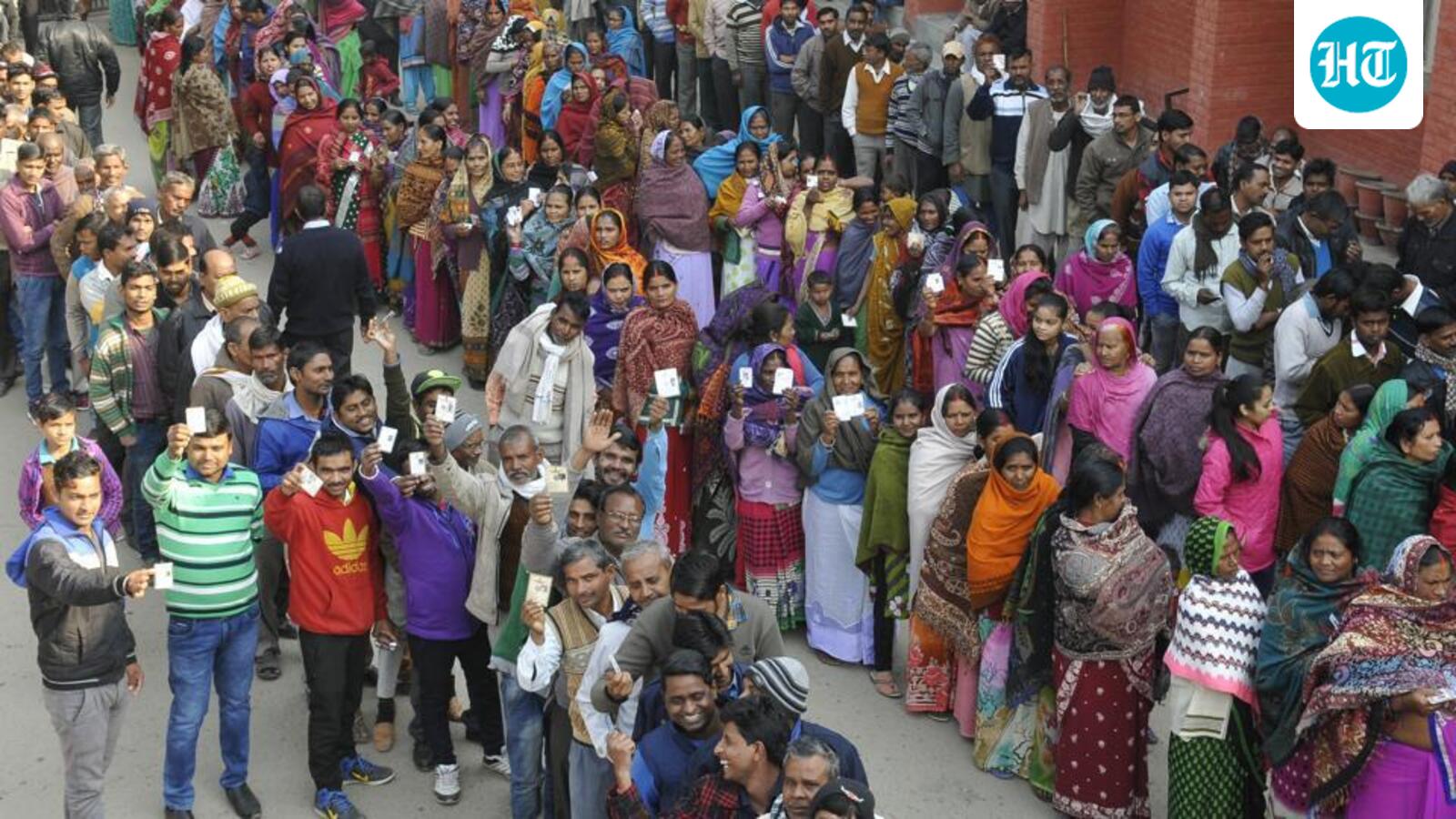
Chandigarh's voters have shown a lasting preference for choosing their Member of Parliament over their ward councillor, a gap that has persisted since the city held its first municipal corporation election in 1996. As the Union Territory prepares for another civic poll, the State Election Commissioner has said he wants to close it.
The figures outlined in the source report show turnout above 65% in Lok Sabha elections and around 60% in Municipal Corporation (MC) elections. The Chandigarh MC was constituted on May 24, 1994. State election commissioner Vijay Dev acknowledged the difference when he announced the election schedule last Friday, and said efforts would be made to draw more people to the booths this time.
The pattern runs against the national grain. Panjab University political science professor Ashutosh Kumar noted that participation generally rises as elections move closer to the grassroots elsewhere in India. He attributed the Chandigarh anomaly partly to the city's make-up: largely middle- and upper-class, with urban voters who tend to be less engaged. He also pointed to its administrative structure, in which bureaucracy dominates, the MC has limited powers and the mayor's term lasts only a year.
Access to officials is another factor, in his reading. He described a "satellite culture" in which politics largely follows the Centre, and officers are approachable enough that residents feel they can bypass politicians to get problems solved. Hitesh Puri, chairman of the Chandigarh Residents Association Welfare Federation (CRAWFED), offered a related view: a literate electorate tends to weigh inflation, jobs, national security and economic policy more heavily, and treats civic matters as something residents or their RWAs can handle.
The 2021 ward-wise numbers show the divide within the city. Ward 2, covering the upscale Sectors 1 to 10, recorded 51%, while Ward 23 (Sectors 34, 35 and 43) saw 43%. Wards covering Sectors 18, 19 and 21, and Sectors 20 and 30, also fell below 50%. By contrast, Ward 1, with villages and colonies in the north, recorded 72%, and Ward 7, including Mauli Jagran and Ambedkar Nagar, recorded 71%. Ward 2 councillor Maheshinder Singh Sidhu said turnout is generally higher in colonies than in the sectors.
The low urban turnout does not make the councillor irrelevant. Councillors are the elected representatives closest to residents, handling roads, sanitation, water supply, street lighting, parks and drainage, and carrying neighbourhood grievances into civic decision-making. Whether the Election Commission's outreach can persuade the city's sectors to treat that role as seriously as an MP's is the test of this election.
Read the original report: Hindustan Times.