Grace Meng Slams Proposed Tariffs on 14 Asian Economies, Including India
The head of the Congressional Asian Pacific American Caucus says the new round of duties would squeeze immigrant-owned businesses and families, and vows to challenge them in Congress.
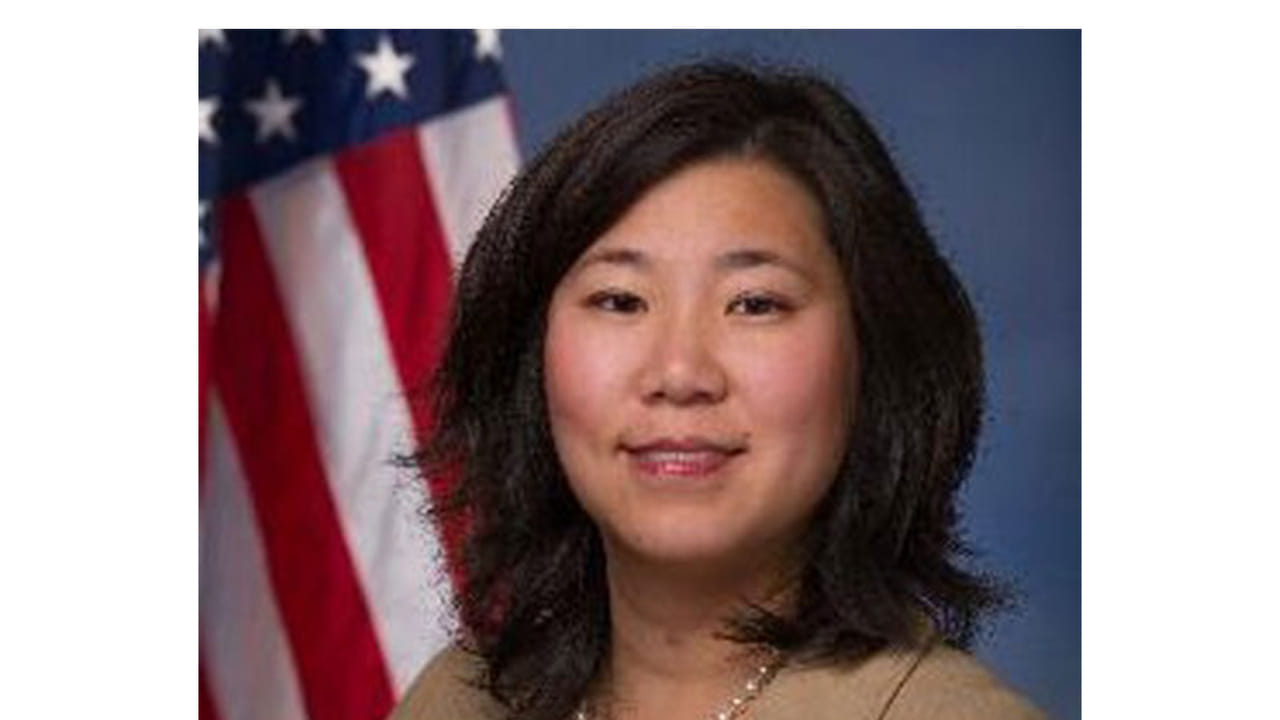
US Representative Grace Meng, who chairs the Congressional Asian Pacific American Caucus (CAPAC), has criticised the Trump administration's proposal for a fresh round of tariffs on 14 economies, almost all in Asia. India is on the list, along with China, Japan, South Korea, Vietnam, Bangladesh, Cambodia, Indonesia, Malaysia, Singapore, Taiwan and Thailand.
Meng, who represents New York's 6th district, said businesses owned by Asian Americans, Native Hawaiians and Pacific Islanders are "hit especially hard". Many of them import ethnic and cultural goods that, she says, cannot be made in the United States. She also said the tariffs push up costs for ordinary families.
She pointed to community hubs that readers in India will know well: Chinatown in New York, Little India in Chicago and Little Saigon in Orange County. These neighbourhoods, she argued, want leaders who will focus on affordability.
The numbers she cited show how much is at stake. These businesses make up 11 per cent of all US employer businesses, though the community is about 7 per cent of the population. They employ more than 5 million Americans and bring in over a trillion dollars in sales. Nearly 20 per cent of restaurant and hospitality businesses are Asian-owned, and roughly three-quarters of US counties have at least one Asian restaurant.
Cost of living is also a big worry for voters. In a post-midterm survey, 53 per cent of Asian American and Pacific Islander respondents named inflation and the cost of living as a top issue for Congress and the president. Jobs and the economy came next at 37 per cent, followed by health care costs at 33 per cent. The release also says the average US household has paid more than USD 4,700 extra for goods and services because of rising costs under President Trump.
Meng says there is a way forward. She said CAPAC members will work next year to take back Congress's constitutional power under Article I to regulate trade, with the aim of ending the tariffs. She has raised the issue before, holding a press conference in September 2025 on the impact on Asian American businesses. In February 2026 she also issued a statement after the Supreme Court struck down the administration's sweeping tariffs imposed under the International Emergency Economic Powers Act.
For India, the proposal is another sign that trade policy in Washington is still unsettled. The proposal's final shape will determine how far it affects importers, small shops and the families who buy from them.


