Huawei Convicted of Trade-Secret Theft Conspiracy and Bank Fraud in US Court
A New York jury found the Chinese telecom giant guilty on two counts but cleared it of racketeering, and the company says it will appeal.
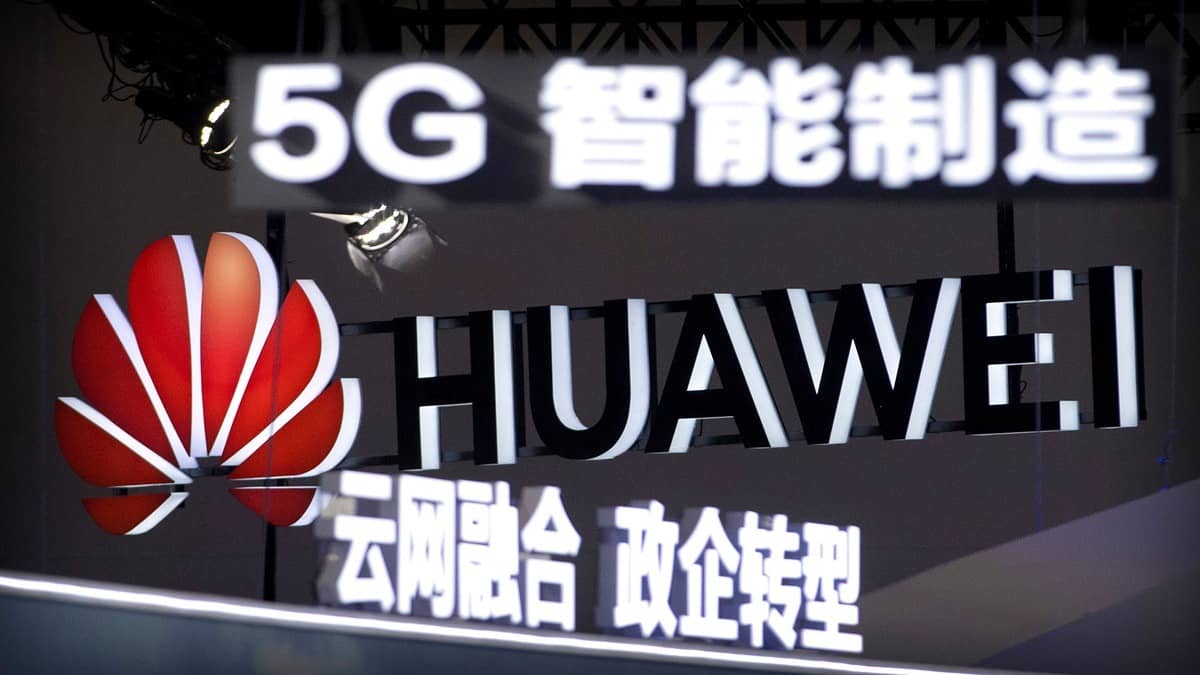
A federal jury in New York on Tuesday convicted Huawei Technologies of conspiring to steal trade secrets and of bank fraud. The verdict covers the core of a case the US government has pursued since 2019 against the Chinese company, which has grown into one of the largest suppliers of wireless telecom network equipment.
The jury did not accept the most serious allegation. Huawei was acquitted of racketeering conspiracy, a charge more often used against organised crime and drug networks. Prosecutors had argued that the company systematically took intellectual property from rivals and partners. The jury also cleared Huawei of conspiracy to obstruct justice.
The remaining allegations included doing business in countries under US sanctions, including Iran and North Korea, and making false statements to American officials and banks to conceal those dealings. Court records name victims such as Cisco Systems, Motorola Solutions, T-Mobile, Quintel USA and Fujitsu. Prosecutors described episodes ranging from copied router source code to a competitor's lab equipment being removed for measurement.
Huawei's defence attorney, Brian Heberlig, said the company will appeal the guilty verdicts. He framed the acquittals as a rejection of the government's broader story about the company and argued that isolated misconduct by a few of its more than 200,000 employees had been portrayed as a company-wide conspiracy.
The financial stakes are significant. Huawei could face penalties running into billions of dollars, though the size of any fine will depend on sentencing and the appeal. The company has already been shut out of selling equipment to US carriers for years over security concerns, and it has been restricted by allies including Canada and Britain.
Outside the US, Huawei's business has continued. Its smartphones and telecom gear are sold in many markets, and it has moved into chipmaking, where it is becoming a notable domestic alternative in China to chips from firms such as Nvidia. Beijing has accused Washington of economic bullying and of using national security as a pretext to pressure Chinese companies.
For readers, the verdict is a reminder that the case is not only about one company. It tests how US courts handle intellectual property theft and sanctions violations by foreign firms, and it will shape how Huawei's global partners and rivals assess the legal risks of doing business with it.