Indian Cotton Farmers Earn Rs 2,000 Per Tonne Premium for Regenerative Farming
A pooled harvest from 1,731 growers shows that greener cotton can pay, and advocates say the next step is making sure the reward reaches the farm.
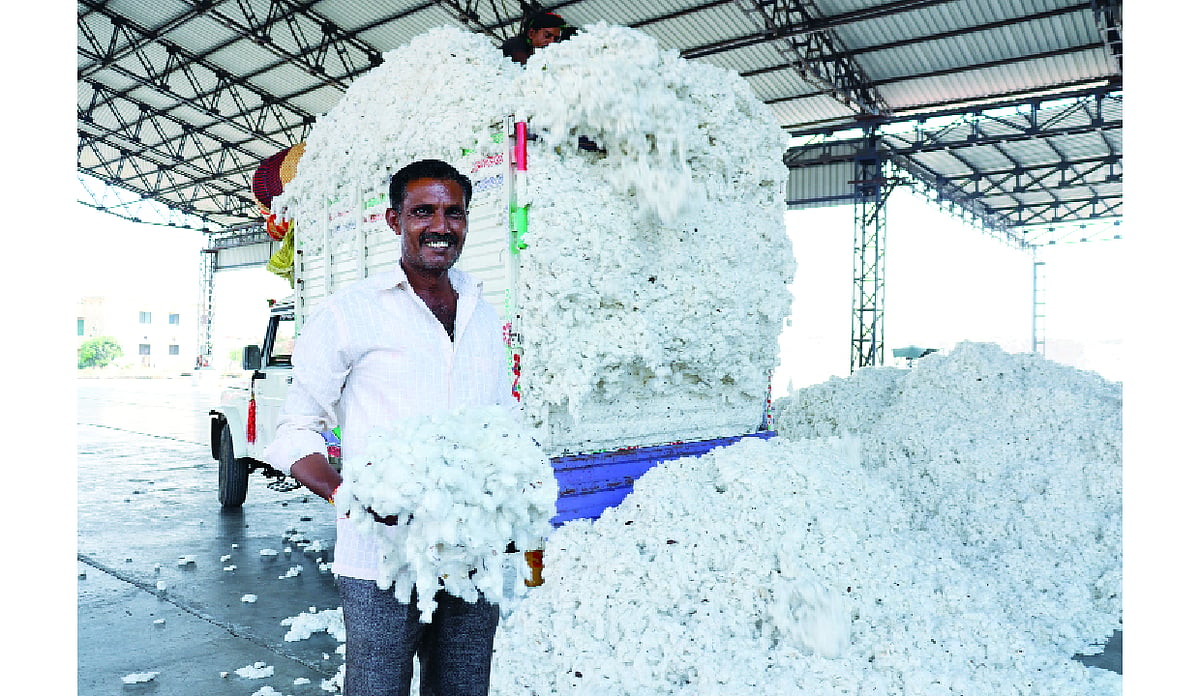
A regenerative cotton initiative in India has shown that farmers can be paid more for growing greener. The harvest of 1,731 farmers was pooled and sold as a distinct product, and participants earned a premium of Rs 2,000 per tonne of seed cotton.
In total, 3,555 tonnes of seed cotton reached ginners under the scheme. For a smallholder, the extra income is meaningful, and it offers an early sign that buyers will pay for the methods behind a product, not just the fibre itself.
The context is a tough one. Rising input costs, erratic weather and strained natural resources are squeezing growers. Across India's cotton belts, some farmers are already trying regenerative methods that cut chemical use, restore soil health and build resilience to climate shocks. The catch, according to the source commentary, is that these practices will spread only as far as markets reward them.
That points to a bigger question: who keeps the value created between the field and the finished product? Most of cotton's value is added after the crop leaves the farm. The argument is that growers should aim not only for higher yields but for a bigger share of what their crop is worth.
The suggested route has several parts. Farmers need knowledge, credit, technology and market links that make better practices pay. Farmer collectives can give smallholders the scale to bargain with buyers instead of selling an anonymous commodity. Carbon finance could add another income stream, since soil-enriching methods also lock away carbon.
Women are central to this story. They do much of the work in cotton growing and processing, yet their contribution is often unseen, and their access to land, finance, technology and markets is weaker. Any fairer value chain, the commentary argues, has to include them.
The takeaway is hopeful: sustainability does not have to be a cost farmers carry alone. If the market profits from a greener product, the farmer who grows it should profit too. This article draws on an opinion piece originally published by The Pioneer.