Indore: Retired cop, woman lose ₹3.05 lakh in two separate cyber frauds
Tejaji Nagar police have registered cases after a fake cleaning-service call and a fake gas-bill APK link drained bank accounts of two residents.
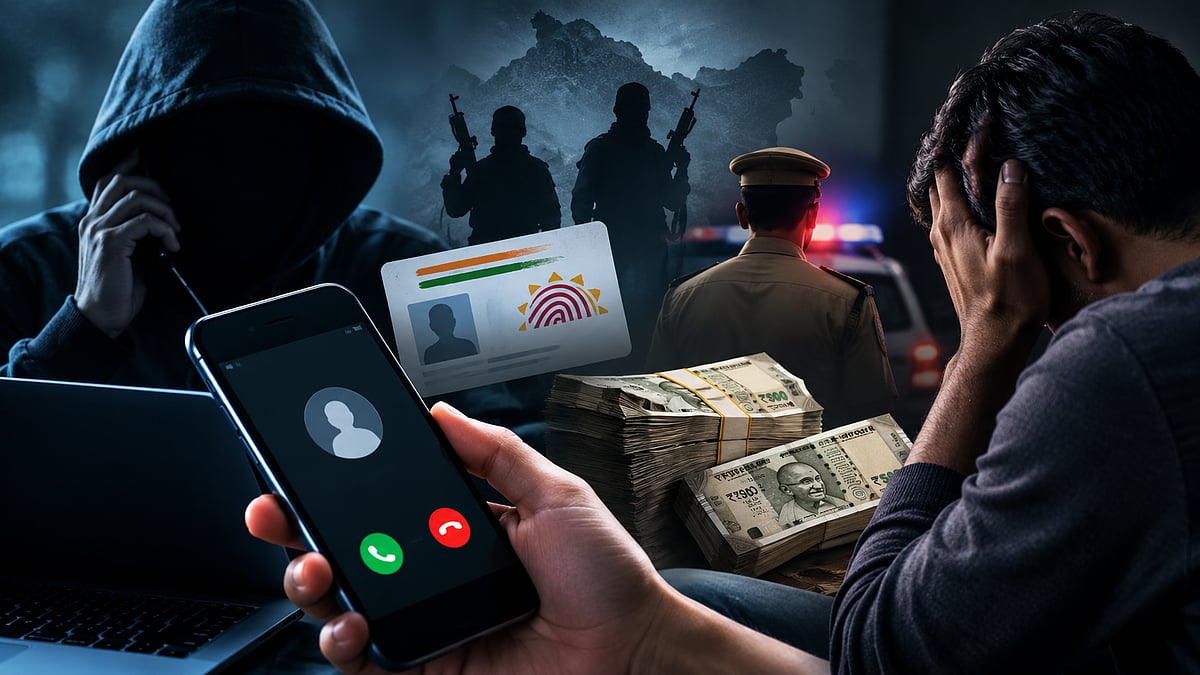
Two Indore residents, a 73-year-old retired police officer and a 58-year-old woman, have lost a combined ₹3.05 lakh in separate cyber frauds, according to complaints filed with Tejaji Nagar police.
Fake cleaning service. The retired officer searched Google for Urban Company on October 31 and called a number listed for house-cleaning. A man who gave his name as Atul quoted ₹1,000 for cleaning the house and lawn and promised two workers by 3 pm. He then asked for the address on WhatsApp and a ₹3 Google Pay payment, saying it would be refunded within five minutes.
The caller then guided the victim through his phone settings and a customer-support option, repeating the steps about four times while staying on the line. The phone repeatedly showed a 'Please wait five minutes' message and was allegedly taken over. About 45 minutes later, the victim found ₹98,000 gone from his ICICI Bank account and ₹45,000 from his State Bank account, a total of ₹1.43 lakh. Police registered a case under sections 318(4) and 319(2) of the BNS.
Fake gas-bill link. On November 22, the 58-year-old woman received a message saying her gas connection would be cut over an unpaid bill. It directed her to a person posing as an Avantika Gas official, who sent an APK file named 'Avantika Gas Bill Update' on WhatsApp.
She entered her consumer details and tried to pay ₹13, but the payments failed. Soon after, ₹20,000 and ₹1,798 were deducted from her SBI account. Another ₹1.43 lakh was moved between her accounts, and ₹1,40,598.05 was withdrawn from her Bank of Baroda account. Her total loss was ₹1,62,396.
Why it matters. Both cases follow a common pattern: a search-listed or messaged contact, a tiny test payment, and a push to install an app or change phone settings. Installing an APK from a chat link, or following a stranger's remote instructions, can give fraudsters control of a device and banking access. Customers should use only official apps and verified contact details, and avoid sideloading files sent over messaging apps.