Kash Patel outlines FBI's two-track cyber strategy: 750 firms engaged, 200 arrests
The FBI director says Operation Winter SHIELD and Operation Riptide pair private-sector defence with law-enforcement pressure, but the model depends on companies choosing to cooperate.
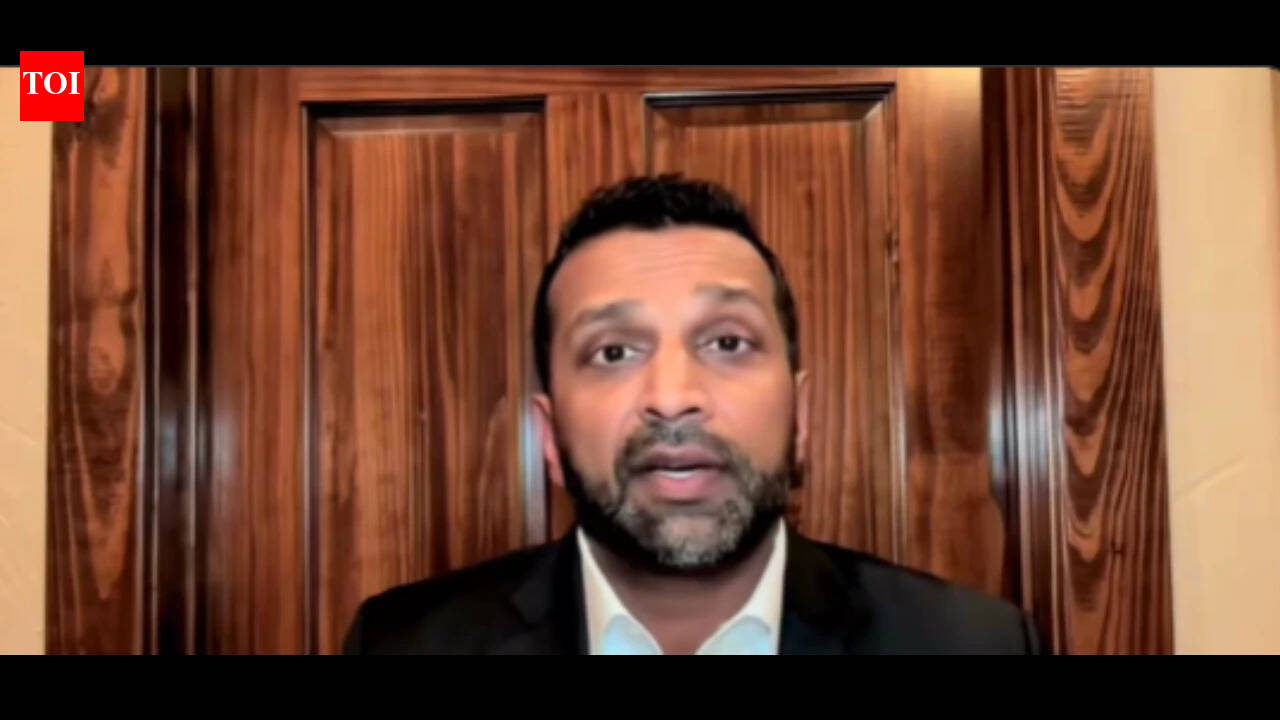
FBI Director Kash Patel said on Thursday that the bureau has engaged more than 750 private-sector companies and arrested over 200 cybercriminals under two separate operations meant to protect American businesses and critical infrastructure. Speaking to Fox News host Sean Hannity, he described Operation Winter SHIELD as the defensive effort and Operation Riptide as the enforcement effort.
Winter SHIELD, short for Securing Homeland Infrastructure by Enhancing Layered Defense, is a 60-day campaign launched in 2026. It draws on FBI field offices, private-sector partners and government agencies to harden critical systems. Riptide goes after the criminals themselves through arrests, extraditions, financial seizures and the disruption of their technical infrastructure.
The defensive programme rests on early contact between companies and investigators. Patel said agents have met with the businesses to set up direct channels and to encourage cooperation when an intrusion occurs. In testimony before the Senate Judiciary Committee, he said all 56 FBI field offices had taken part, with more than 600 engagements across 14 critical infrastructure sectors. The bureau has urged firms to adopt 10 defensive measures, including stronger authentication, vulnerability management, secure backups, restricted administrator access and regular testing of incident response plans.
Patel stressed the first 24 to 48 hours after a breach, likening them to a hostage situation in which investigators need immediate access to affected systems. He cited an incident last year in which hackers targeted several banks on a Friday afternoon. By his account, the banks gave the FBI quick access, and cyber teams removed the intruders by Sunday before any money or customer data was stolen.
That example also shows the limit of the approach. Private companies are not automatically obliged to give the FBI access to their networks, so Winter SHIELD depends on voluntary cooperation. For policymakers, the question is whether trust built through outreach can produce the speed and consistency that a serious intrusion demands, particularly for firms wary of disclosure, liability or reputational damage.
Patel also addressed recent technology disruptions affecting banks, airlines, email networks and federal agencies. He said intelligence assessments had found no evidence that foreign adversaries or outside groups were responsible. He attributed the outages to government agencies and private companies rapidly replacing outdated technology and legacy software. "There are going to be some technical disruptions like we've seen, but the FBI and the intelligence community is going to continuously monitor those activities for nefarious actors," he said, adding that the bureau would pursue anyone found responsible for malicious cyber activity.
The two-track framing gives Washington a clearer public account of how it intends to reduce cyber risk, with prevention and punishment run as distinct but connected efforts. The test will be measurable outcomes: how many intrusions are contained early, and whether the arrests and seizures reported under Riptide deter further attacks on critical infrastructure.