Play-Doh's Origin: Wallpaper Cleaner Turned Toy Has Sold 3 Billion Cans
A product made to wipe soot off walls found a second life after a nursery teacher gave it to her pupils, and the rest is toy-box history.
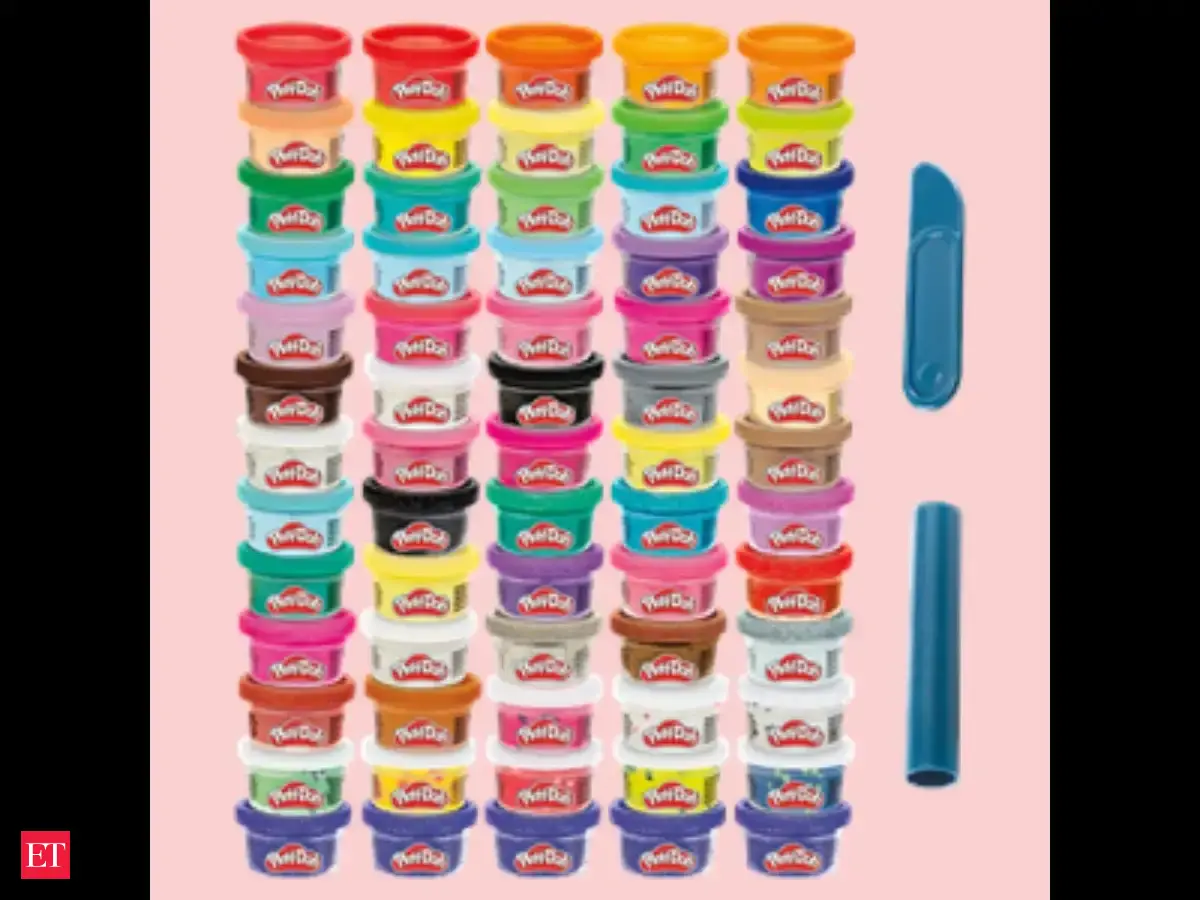
Before it filled lunchboxes and kitchen tables, Play-Doh was a household cleaner that the world had stopped needing. The soft compound, made by Cincinnati firm Kutol Products, was designed to lift soot from wallpaper. A nursery teacher's experiment turned it into a toy that, by Fortune's count, has sold more than 3 billion cans.
Kutol was founded in 1912 and at one point was the world's largest maker of wallpaper cleaner. Then homes changed. As families moved from coal to oil, gas and electricity, walls stopped collecting thick layers of soot, and demand dried up. The company was in trouble.
The rescue came from Kay Zufall, a nursery school teacher and the sister-in-law of company principal Joseph McVicker. She wanted something easier for small hands than traditional modeling clay. After reading an article about making holiday decorations from wallpaper cleaner, she tried it with her class. The children loved it.
Zufall passed the idea to McVicker, and she and her husband Robert suggested the name Play-Doh. McVicker set up Rainbow Crafts Company to sell it as a toy. Christopher Bensch of the Strong National Museum of Play called it "a tale of technological obsolescence with a happy ending."
The toy debuted in 1956, first in white, with red, blue and yellow added later. Television did the rest. Ads ran in 1958 on shows including "Captain Kangaroo," "Ding Dong School" and "Romper Room." Bob Keeshan, who played Captain Kangaroo, promoted it twice a week and took 2 percent of sales. Bensch said there was never a contract, but the deal lasted years.
The Play-Doh Fun Factory arrived in 1960, followed by sets such as Animal Ark and Dr. Drill & Fill. Hasbro bought the brand in 1991, and Play-Doh entered the National Toy Hall of Fame in 1998. Today's range includes putty, foam, slime, cloud and krackle compounds, plus sets tied to popular franchises.
The lesson for a Monday morning: sometimes the next big thing is just the old thing, in a new room. Read the original report here.