Teddy Riner questions French troop role in Ukraine, drawing fire from Philippe camp
The judoka seeking a presidential run has called the conflict 'not our war', bringing a contested deployment into the early campaign for next April's election.
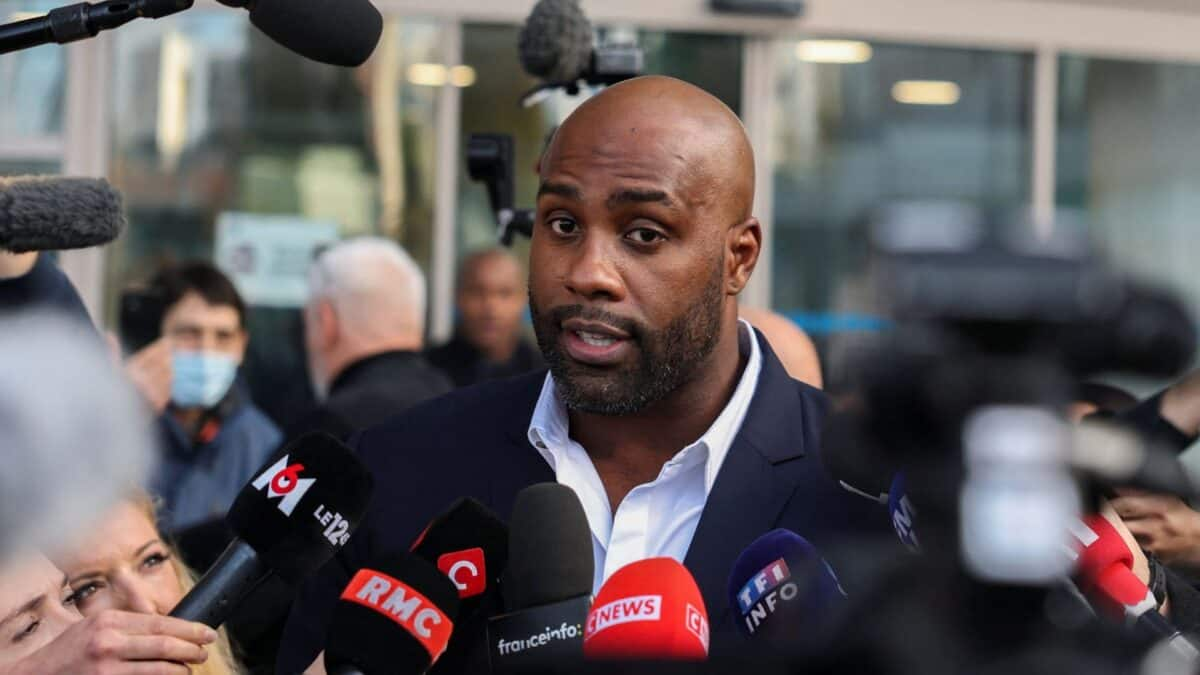
Teddy Riner, the five-time Olympic judo champion who is seeking to run in France's presidential election, has questioned the deployment of French troops to Ukraine, saying he does not understand why soldiers are being sent to a conflict that is "not our war". According to Politico, he made the remarks to reporters on Wednesday at the French mayors' congress in Paris.
The comments are his first significant foreign policy intervention since he announced his ambitions earlier this month. The 37-year-old has set out few detailed proposals so far. Asked how he would approach the war as president, he said he wanted to be someone who brings people together, "smiles and shakes hands" to end the fighting. He did not outline a specific diplomatic strategy.
The remarks land on an already contested issue. Opposition parties have objected that French military personnel were sent to Ukraine without parliamentary approval. Deputy Defence Minister Alice Rufo has responded that the troops are "dedicated to training and equipment maintenance", a description that frames the mission as support rather than combat.
The positioning is notable because Riner's early campaign statements were read as closer to the pro-Macron camp. Early polling puts him at about 4 per cent, with much of that support drawn from voters who backed President Emmanuel Macron in the previous election. A turn towards scepticism on Ukraine could complicate that base. It would also place him alongside Marine Le Pen and Jean-Luc Mélenchon, the two leading candidates for next April's vote, who have both criticised Macron's Ukraine policy. Macron's government has supplied financial and military aid to Kyiv and co-leads the coalition of the willing among Ukraine's principal backers.
The sharpest rebuttal came from Nathalie Loiseau, a centre-right member of the European Parliament who handles foreign policy for candidate Edouard Philippe. Writing on X, she said Riner's world would be "so simple": no involvement in anything, handshakes with everyone, and "peace and love all over the world". Her intervention suggests that rivals in the centre ground intend to test his credibility on security questions.
Riner also faces a procedural obstacle. French rules require presidential hopefuls to collect 500 endorsements from elected officials to appear on the ballot. He says he has gathered more than 100 so far, well short of the threshold. His Ukraine remarks may therefore be aimed as much at local officials whose signatures he needs as at the wider electorate.
Whether his stance gains traction will depend on whether he can supplement a message of dialogue with concrete policy. Until then, the exchange shows how the question of France's military commitments, and the role of parliament in approving them, is likely to shape the run-up to the election.