Front / Artificial Intelligence
Thomas Dohmke says Indian IT firms must master AI token economics
The former GitHub CEO argues that services companies will win by using AI agents cost-effectively for clients, not by supplying coding headcount.
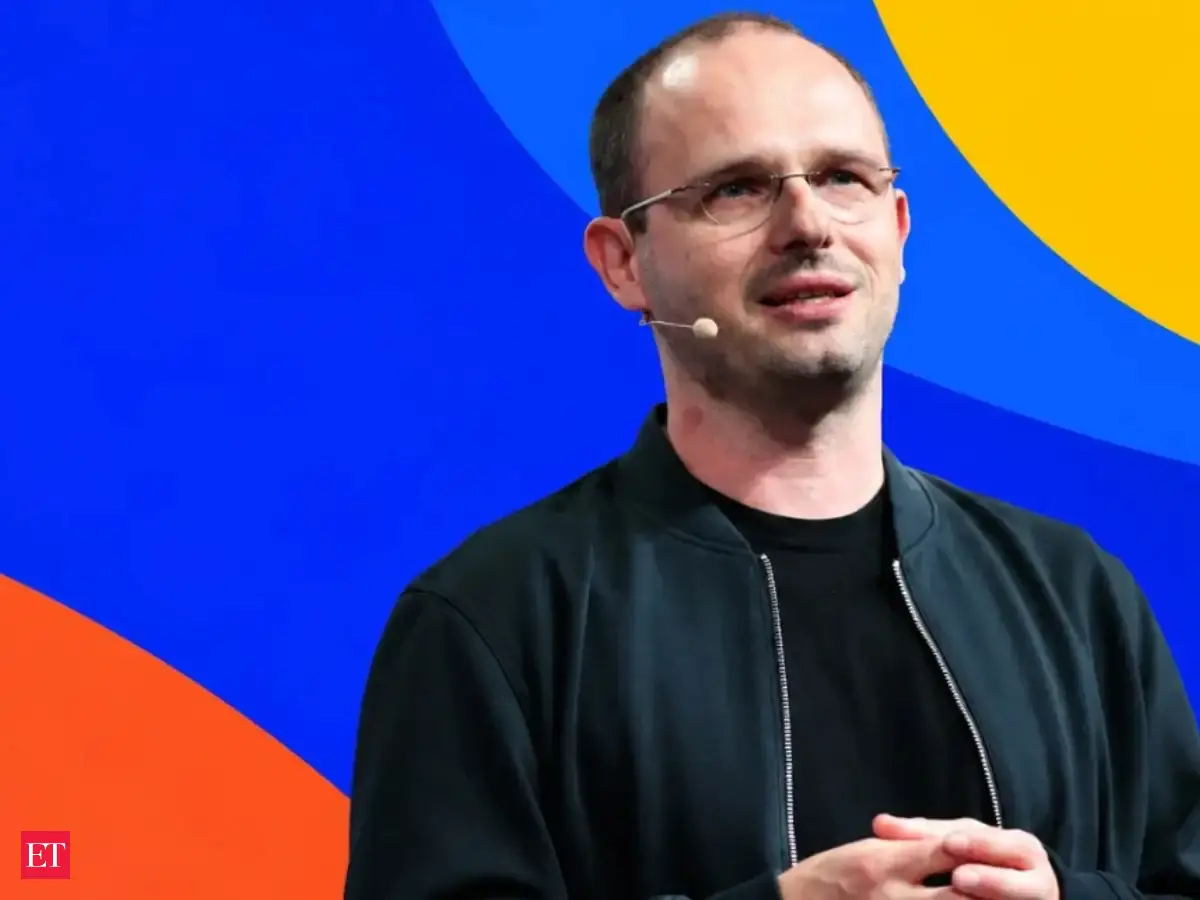
Thomas Dohmke, the former chief executive of GitHub, says AI agents will force Indian IT services companies to rethink how they make money. In an interview with the Economic Times in Mumbai, he said their edge will depend on getting the economics of AI right, rather than on deploying coding talent at a low cost.
Dohmke left Microsoft-owned GitHub last year and now runs Entire, an AI-native developer platform. He expects AI to change the economics of technology outsourcing, but still sees a central role for Indian firms. In his view, they can help global clients use AI agents well without letting deployment costs cancel out the productivity gains.
He described the future workforce of global systems integrators as experts in operating agents. Their value, he said, will lie in knowing how to finish a project more cheaply than by assigning ten human developers to it.
The risk, according to Dohmke, is that poorly designed projects or staff who cannot manage agents could leave businesses paying thousands of dollars in AI tokens with little to show for it. He said IT services firms will need to help customers get token economics right, and ensure both sides gain financially from transformation work.
Entire has raised $60 million at a $300 million valuation. It is working with Indian AI startup Sarvam on what Dohmke calls a fully sovereign Indian software development lifecycle. Developers would store source code and run AI inference within India, reducing reliance on overseas infrastructure. The company has set up infrastructure in Mumbai and is also partnering with Infosys and Open Healthcare Network.
Dohmke also declared the traditional software development lifecycle "dead", as developers increasingly supervise agents that work autonomously for hours. Entire is betting on "continuous memory", which stores both the code and the interactions behind it, so that bots avoid repeating mistakes. He sees the US leading the AI model race, then China, with India and Europe catching up, and believes open-weight models give the latter a route to compete.
Pointing to India's record in IT services and the innovation at multinational technology centres in the country, he said AI is another chance to build global technology giants. He asked whether the next Microsoft could be built in Bangalore, and said it is possible if funding and talent ecosystems develop alongside it.