Uber, Mahindra Plan 5,000 Electric Autos in Mumbai as Charging Gaps Persist
A new Uber–Mahindra Last Mile Mobility pact promises financing and trade-in support for drivers, but a driver survey and BEST's own charger numbers show the infrastructure to back it is still thin.
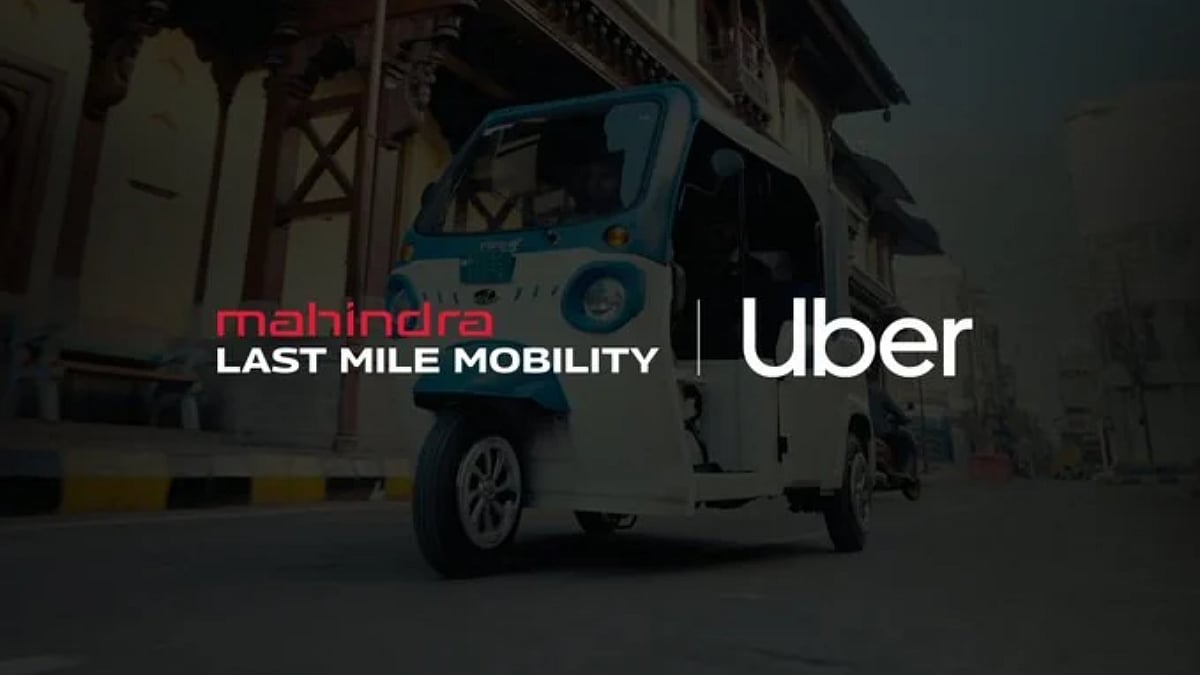
Uber and Mahindra Last Mile Mobility have signed a memorandum of understanding to help put 5,000 electric auto-rickshaws on Mumbai's roads over the next 12 months. The vehicles are expected to run exclusively on the Uber platform, with the companies offering financing options, trade-in incentives and other support to drivers moving away from conventionally fuelled autos.
The pitch rests on driver economics. Suman Mishra, managing director and CEO of Mahindra Last Mile Mobility, said sustainable mobility will scale only when it works for the driver first, by making electric vehicles a better economic choice for drivers and entrepreneurs. The initiative is aimed in particular at markets where electric vehicle penetration remains low.
Uber's Global Head of Mobility, Pradeep Parameswaran, framed the tie-up as part of a broader effort to build an urban mobility ecosystem in which public transport and shared mobility complement each other. Alongside the announcement, the company showcased Connected Journeys, a feature that lets commuters combine metro rides with autos and two-wheelers for first- and last-mile travel, while comparing routes, estimated travel time and fares. It is being rolled out progressively in India, starting with Mumbai and Delhi.
The harder question is whether drivers can actually keep these vehicles running. A survey of 1,200 auto-rickshaw and taxi drivers across the city's 24 municipal wards, conducted by the Waatavaran Foundation and partner organisations, found that 62 per cent saw inadequate charging infrastructure as a major obstacle to switching to EVs. Another 60 per cent pointed to the high purchase price.
The public network offers limited reassurance. According to the BMC's Climate Budget for 2025-26, BEST had set up public EV charging facilities at 57 locations with 276 chargers across Mumbai. Only 51 of those stations were operational, and six were still under development.
That gap matters for a fleet of this size. A commercial auto that idles while waiting for a charger loses income, and financing or trade-in deals can only offset the purchase cost, not downtime. The MoU, as described, does not spell out charging arrangements, so how 5,000 additional vehicles will be supported remains an open question.
For now, the announcement is an intent to facilitate adoption rather than a guaranteed rollout. Whether Mumbai's drivers sign up in numbers will likely depend on how quickly reliable charging catches up with the financial incentives on offer.