Why electrifying delivery scooters and taxis could clean India's winter air faster
An argument gaining ground holds that shifting two-wheelers, three-wheelers and commercial fleets to electric power would do more for urban air and energy security than private EV sales alone.
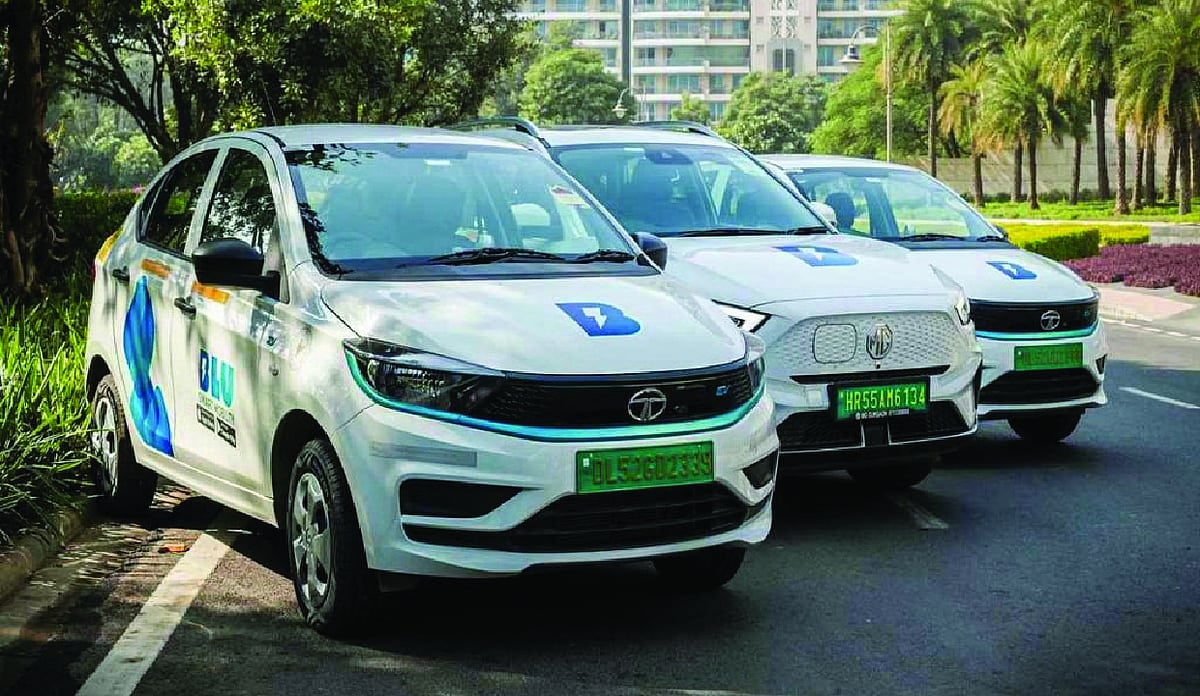
Each winter, air quality in Northern India deteriorates sharply, and the response is usually a set of temporary measures. Attention tends to fall on crop stubble burning and firecrackers, while vehicle tailpipe emissions, which are present throughout the year, receive less scrutiny. A commentary published in the Daily Pioneer contends that lasting progress on urban air will depend less on seasonal curbs and more on electrifying the vehicles that run the most kilometres each day.
The piece acknowledges that electric passenger cars have gained real momentum, with battery-powered models approaching roughly ten per cent of passenger vehicle sales. The author notes that many buyers are also drawn by practical considerations, including exemptions from restrictions under the Graded Response Action Plan, which frequently bar older petrol and diesel cars in Delhi-NCR during the winter months. Yet private cars spend most of their time parked, which limits how much they contribute to daily emissions compared with vehicles that are in continuous use.
The energy dimension of the argument is equally important. India imports more than 85 per cent of its crude oil, and a large share of those shipments passes through the Strait of Hormuz, a route exposed to regional instability. Fuel price shocks feed into the current account and domestic inflation. Replacing petrol and diesel in high-mileage segments, such as delivery scooters, auto-rickshaws and light commercial vans, would reduce that exposure in a sustained way, a benefit that a single private EV cannot deliver on its own.
For commercial operators, the case rests on running costs rather than policy. Ride-hailing drivers, gig-economy couriers and last-mile logistics firms operate on thin margins, and fluctuations in fuel prices flow directly into take-home earnings. The commentary points out that electricity costs a small fraction of a rupee per kilometre for two- and three-wheelers, against several rupees for petrol or CNG. Fleet operators in e-commerce and quick commerce are already moving in this direction, which the author cites as evidence that the economics can work without heavy subsidy dependence.
Domestic firms are also contributing to the shift. The piece highlights Bengaluru-based Exponent Energy, which converts existing three-wheelers to electric power and offers rapid charging technology, and it places this work within a broader wave of innovation that includes Ather in the two-wheeler segment. Such companies suggest that the transition is not limited to new vehicle purchases but can extend to the existing stock of commercial vehicles.
The broader significance is that clean air policy, energy security and household economics are increasingly linked. For city planners and fleet owners, the choice of which vehicles to electrify first may matter more than the pace of private car adoption. For readers, the argument offers a useful reframing of a problem usually discussed as a winter emergency: the pollution that matters most is the pollution produced every day by vehicles that never stop moving. The full commentary is available at dailypioneer.com.