Anne Deneuchatel files complaint against two banks over fake Brad Pitt scam
A French woman who lost €830,000 to an impersonator of the Hollywood star now argues that her banks should have stopped 18 payments whose references mentioned a kidney operation for the actor.
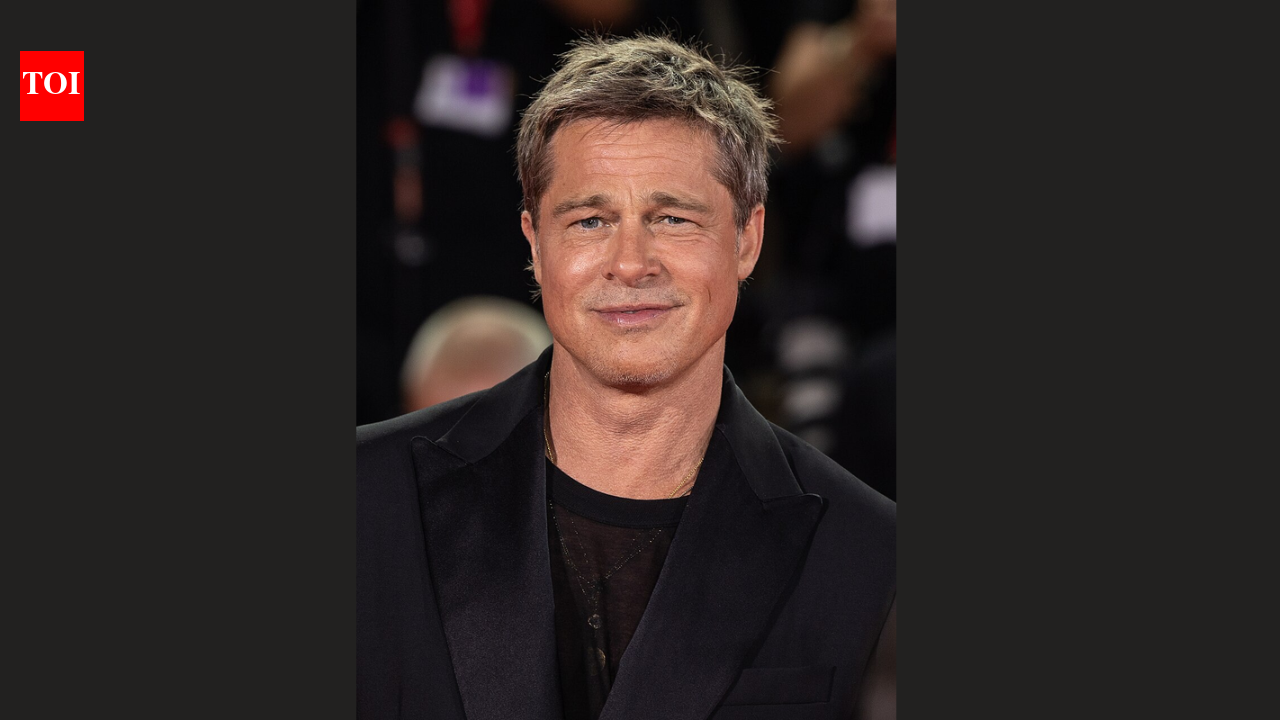
Anne Deneuchatel, the French interior designer who lost €830,000 to scammers posing as Brad Pitt, has filed a complaint against two banks. She alleges they approved 18 payments carrying unusual references tied to a supposed kidney operation for the actor, without asking questions. Riviera Radio, citing France Télévisions, reported the complaint.
The case moves the question from why she believed the fraud to why the payment system did not blink. Her claim rests on what was written on the transfers as well as on how much money was moving. Asia Economy reports that the remittance memos included wording such as "William Bradley Pitt kidney transplant", using the actor's full name. Korea's FN News, citing BFM TV and other outlets, says the references included "William Bradley Pitt surgery". She argues the banks must be held accountable and that the system has loopholes.
The background, as reported by the BBC, is a textbook romance-fraud escalation. Anne, then 53, joined Instagram in February 2023 while still married to a wealthy entrepreneur. A user claiming to be Pitt's mother, Jane Etta, contacted her, and someone purporting to be Pitt followed the next day. "Pitt" said he could not pay customs on luxury gifts because his accounts were frozen during his divorce from Angelina Jolie. Her first transfer was €9,000.
The requests grew when the fake Pitt said he needed money for kidney cancer treatment, backing the claim with AI-generated photos of him in a hospital bed. Anne later divorced and was awarded €775,000, all of which the BBC says went to the scammers. The scheme unravelled when a further approach, this time by a supposed "Special FBI Agent John Smith", led her to contact the police.
The policy point is clear even though the legal outcome is not. Bank fraud checks usually look at amounts, timing and unfamiliar recipients. Free-text memos sit in a murkier place, and a payment note naming a global film star's medical procedure is, at the least, an odd thing to wave through 18 times. The source material does not include the banks' responses, so whether they breached any duty is an open question for the courts.
A police investigation is under way. Gulf Today reported in January 2025 that authorities in La Réunion, where she lodged her complaint, were trying to identify the fraudsters and trace the accounts that received her money. The BBC reported on 15 January 2025 that her story drew a wave of online mockery, and that TF1 withdrew a programme about her after what it called "a wave of harassment". A representative for Pitt told Entertainment Weekly it was "awful that scammers take advantage of fans' strong connection with celebrities".
The case suggests that cheap AI-generated imagery lowers the cost of fabricating a celebrity, while the checks on large transfers may not have kept pace. Whether that is a failure of banks, regulators or both is what the complaint may now begin to test. Source: Times of India.