Jensen Huang Returns to Nvidia as Trump Calls Him a National Asset
Trump's public endorsement of the Nvidia chief after a reported spy-linked controversy turns a boardroom reversal into a question of US tech policy.
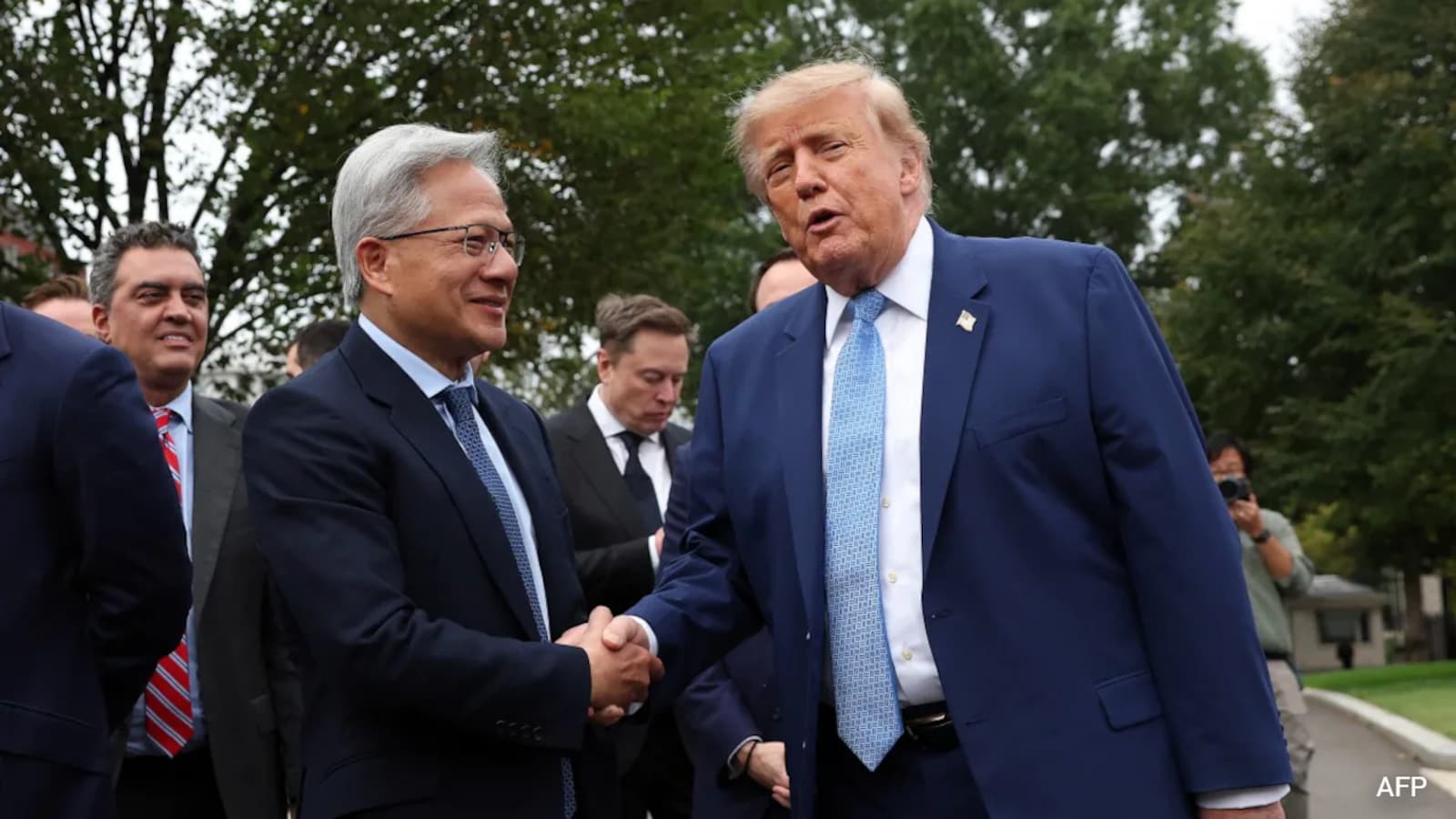
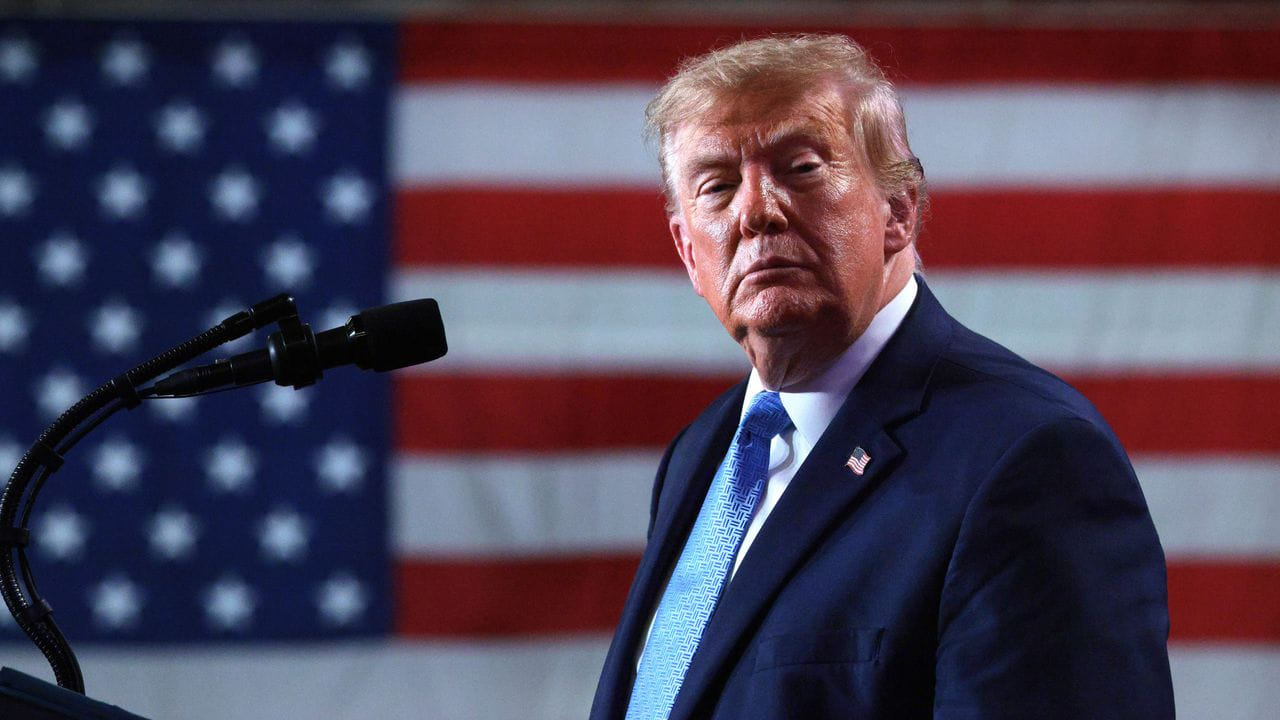
Jensen Huang is back as chairman and chief executive of Nvidia, the artificial intelligence chip maker whose products sit at the center of the global AI boom. The move came after a reported controversy that an opinion column describes as a sex-and-spy case, and it was announced not by the company's board but by US President Donald Trump, who personally took credit for the return.
Trump made the case in an unusually long phone interview with CNBC, where he described Huang as a national asset and placed him alongside former Apple chief Tim Cook. Markets responded quickly. According to the column, Nvidia's shares surged as much as 35 percent during the session before closing up about 31.5 percent. The swing followed a sharp fall after Huang's earlier exit, and it came in a week when broader AI-linked stocks had already been jumpy over fears of an investment bubble.
The episode is murky on the facts. The column notes that Huang's return came despite allegations involving a woman identified as Alice Huang, described as an alleged Chinese spy, and concerns over the illegal supply of advanced AI semiconductors. Those allegations are reported rather than established in the material available, and the column itself argues that intelligence findings pointed to personal indiscretion rather than a deliberate betrayal of US interests. Harvey Jones, who had served as temporary chairman after Huang stepped down, had said Huang would not return. The President's view that Nvidia's lead in high-performance chips gives America an edge over China appears to have carried the day.
Why it matters goes beyond one executive's résumé. The column argues that Nvidia has become too important to American competitiveness with Beijing to be treated as a routine governance matter, a point that sits uneasily with questions about how close the government and a handful of corporate leaders have become. It also raises the old suspicion that presidential favour and personal financial stakes can blur, though the column dismisses reports of Trump's own Nvidia holdings as a side issue next to the larger geopolitical story.
The column also points to a structural shift it calls an America Inc keiretsu, a tightly linked network of technology companies that behaves like the Japanese industrial groups of the past. If that description holds, the real test will be whether such ties produce stronger national capability or weaker market discipline. For now, investors are watching the stock's wild ride, and skeptics note that valuations far above sales leave little room for error if inflation and interest rates keep pressure on the sector. As the column puts it, the story is not over.
Read the full opinion piece at NDTV Opinion.