Nvidia surges 31.5% as Jensen Huang returns as CEO, adding $952 billion in a day
A boardroom reversal, a presidential claim of credit and a battered AI trade combined to produce one of Wall Street's wildest sessions in years.
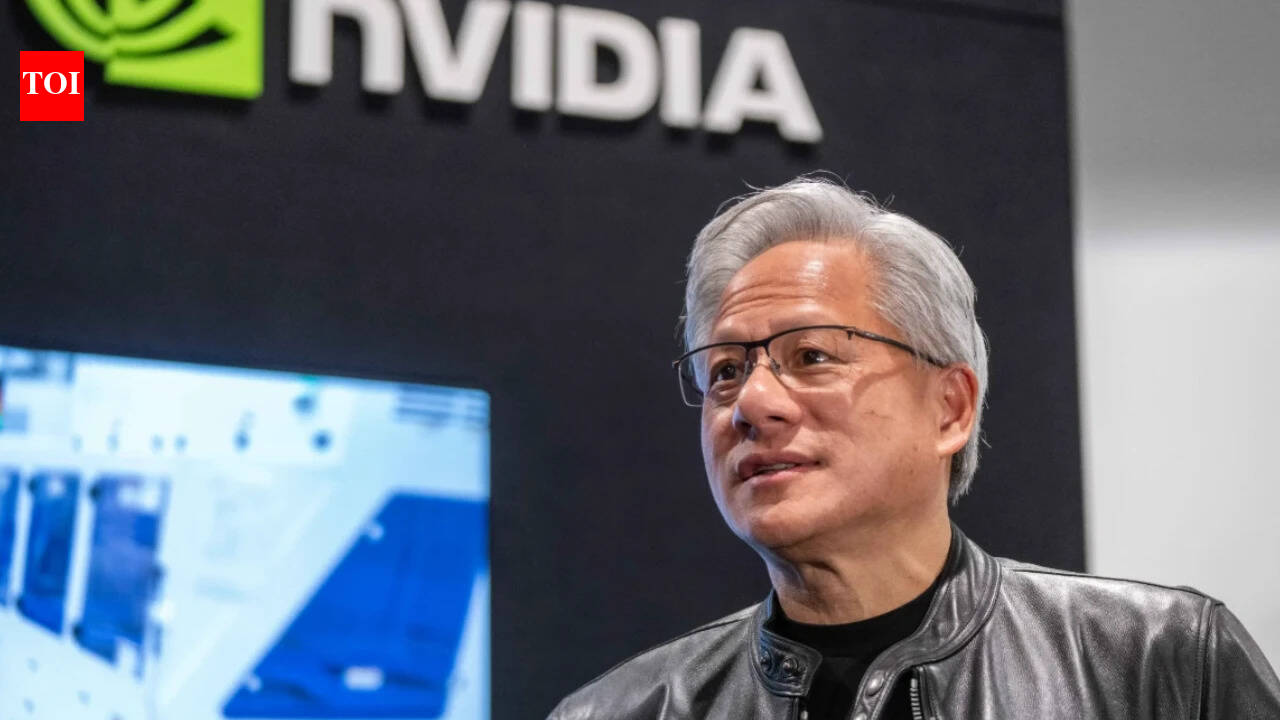
Nvidia shares jumped 31.48% on Monday to close at $165.05, their biggest one-day gain since 2003, after the company said co-founder Jensen Huang was being reinstated immediately as CEO and president. The move added about $952 billion to its market value in a single session, according to CNN as cited by the source report. The stock had climbed as much as 36.6% intraday before giving back some gains.
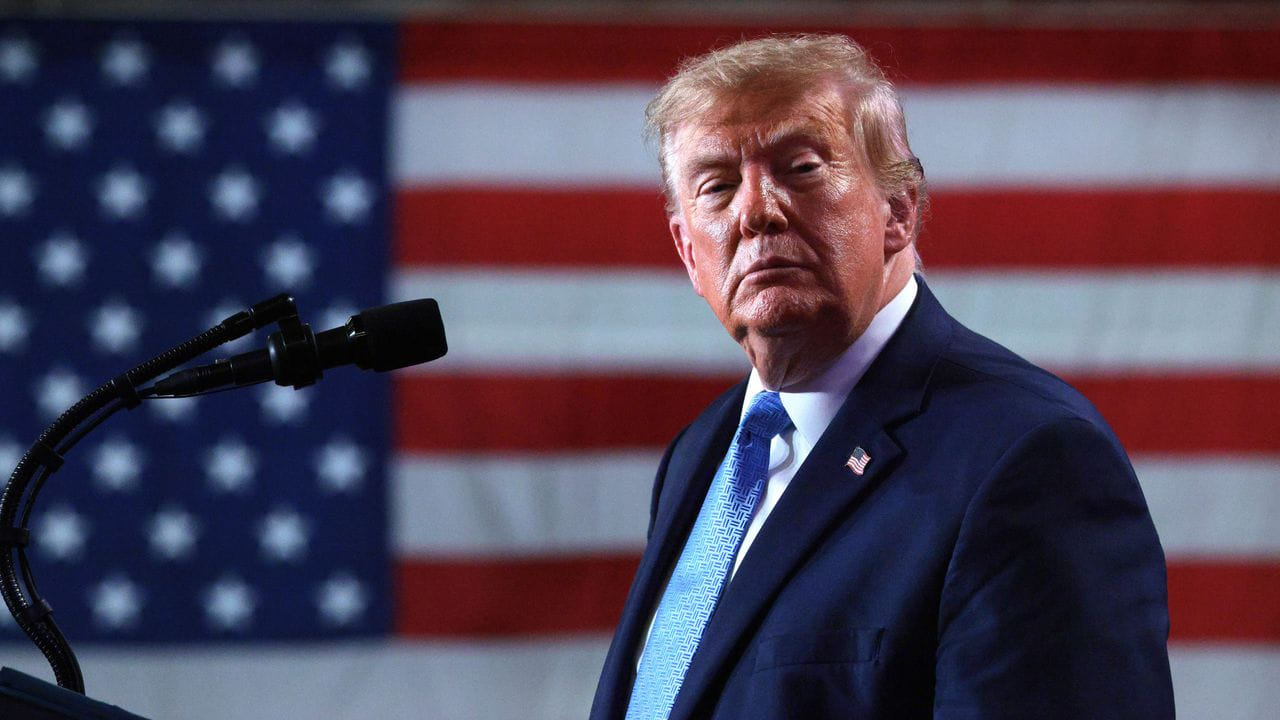
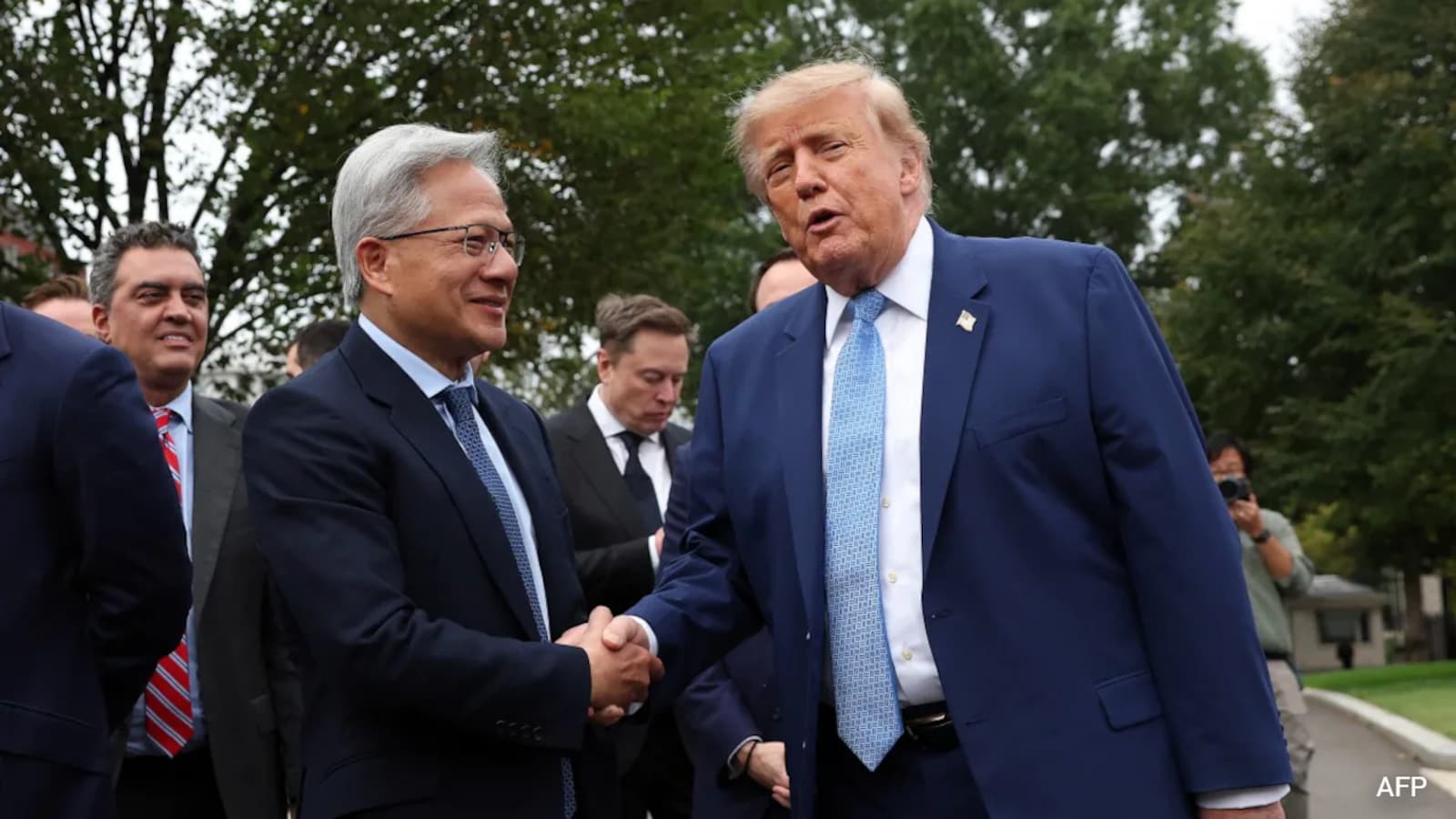
Huang had stepped down on November 12 following revelations of extramarital affairs, including one involving a woman alleged to be a Chinese spy. His return came less than two weeks later. US President Donald Trump said he had secured an agreement with Nvidia's board to bring Huang back, and told CNBC: "I believe my intervention was very important." That is a notable claim: a sitting president publicly taking credit for a private company's leadership decision.
The rally spilled across the market. The Nasdaq Composite rose 6.51%, the S&P 500 gained 4.73% and the Dow added 1,448 points, or 3.01%. The S&P 500 and Nasdaq posted their best sessions since April 2025, when markets rebounded after Trump backed away from some tariff threats. CoreWeave, the AI cloud infrastructure firm, rose 22.3%.
Context matters here. Stocks were already primed for a bounce after a brutal week in which all three major indexes lost 8% or more. The S&P 500 had notched seven straight losing sessions, its longest streak since February 2020, and the Nasdaq slid into negative territory for the year after a drop of more than 5% on Friday. Part of Monday's surge was likely oversold buyers returning, with Huang's news acting as the trigger.
The underlying worries have not gone away. Investors remain uneasy about lofty AI valuations, possible regulation and a slowdown in data-centre spending, and Anthropic's much-watched IPO last week did little to calm them. A single leadership announcement can reset sentiment for a day, but it does not answer whether AI investment is sustainable.
The policy angle is the lingering one. The reported espionage allegation, the speed of the reversal and the president's claimed role raise questions about governance at the world's most valuable chip designer, and about how closely markets now tie AI's future to a handful of people and the politics around them.