Revanth Reddy urges Telangana farmers to avoid water-intensive crops during drought
The Chief Minister tied a call to change cropping patterns to an El Niño-driven dry spell and the upcoming Invest Telangana Global Summit.
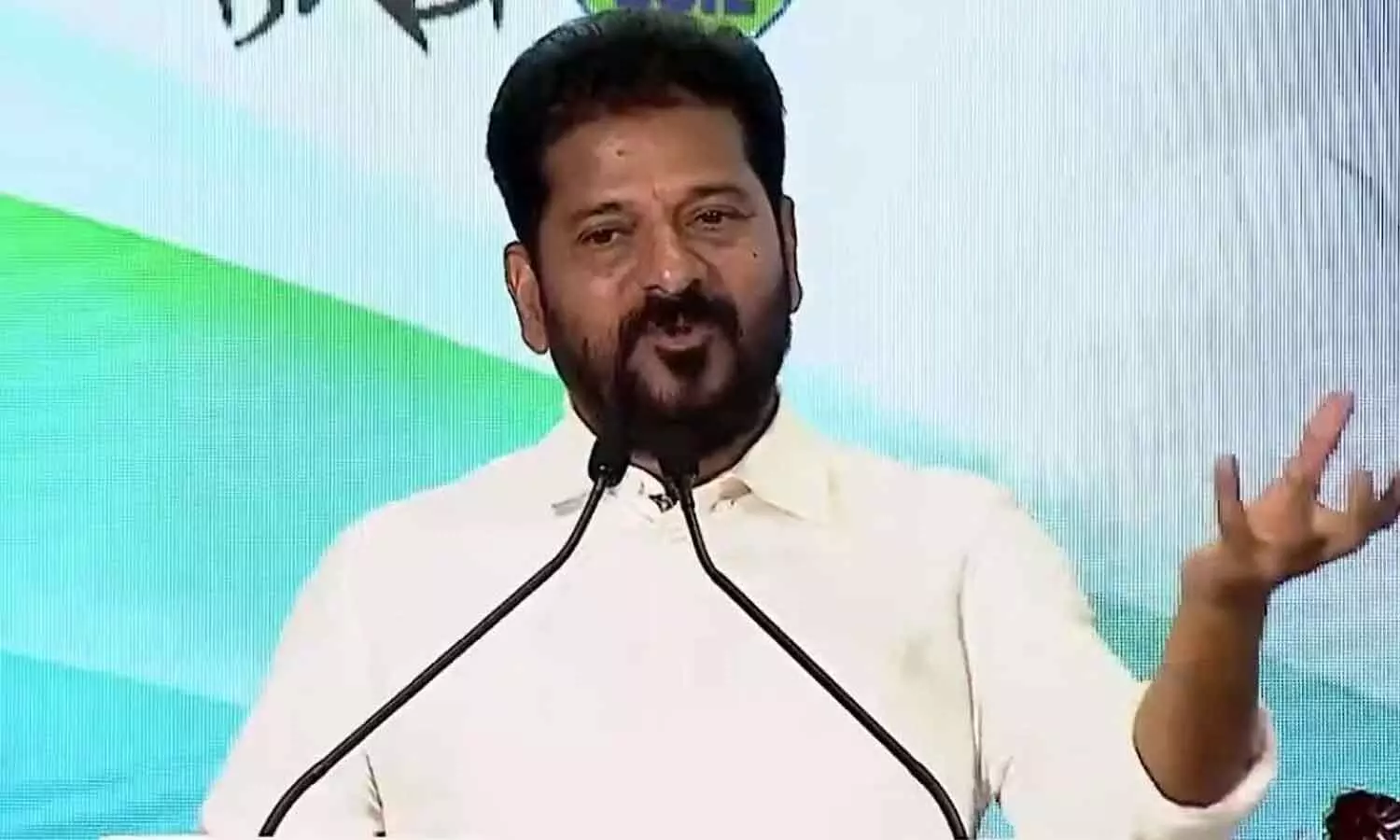
Telangana Chief Minister A Revanth Reddy has asked farmers across the state to stop growing water-intensive crops, saying the state needs to preserve water for livestock and wildlife. He made the call while speaking at a curtain raiser for the Climate Conclave, a session planned as part of the upcoming Invest Telangana Global Summit.
Reddy said the state is dealing with the effects of El Niño, which he described as a global phenomenon, and is currently battling drought conditions across Telangana. He quoted the India Meteorological Department as forecasting no rain for the next eight months, and urged the government and public to set politics aside while addressing the crisis.
The Chief Minister said food grain stocks are sufficient for the next two years, so the immediate constraint is water rather than food supply. He placed much of the responsibility for that water on farmers, arguing that their choice of crops directly affects how much remains for other needs.
The government has framed the Global Summit as a platform for both investment and environmental conservation, with representatives from across India and abroad expected to attend. Reddy said climate resilience has been made a top priority, and that the government is working with future generations in mind.
On the broader policy front, Reddy said Hyderabad is phasing out diesel-powered auto-rickshaws and state road transport buses, with electric vehicles replacing autos. He also rejected criticism that the state has suffered from "policy paralysis," pointing to several new programmes.
Among the initiatives he cited were the Eagle Force, a 3,000-strong unit to curb drug use, which he said has drawn praise from the central government; TG SAFE, launched to tackle food adulteration; and HYDRAA, set up to restore lakes. Reddy argued that none of the three exists elsewhere in the country, and he contrasted the state's approach to drug control with the drug trafficking problem Punjab has faced.
Read the original report at The Hans India.