Trai opens 1601 calling series to retail, e-commerce, hospitals, airlines
Large non-BFSI businesses with at least Rs 500 crore turnover can now use the verified 1601 series for service and transactional calls, with a 180-day onboarding window for telecom operators.
The Telecom Regulatory Authority of India (Trai) has widened access to the 1601-series phone numbers, allowing large businesses in retail, e-commerce, healthcare, travel and several other sectors to use them for customer calls. The aim is to help people tell genuine business calls from fraudsters who pose as companies using ordinary 10-digit mobile numbers.
The revised framework was issued on Friday. To qualify, a company must have had an annual turnover of at least Rs 500 crore in any one of the previous three financial years. It must also be registered in India under applicable laws. The Department of Telecommunications allocates the series to verified entities outside banking, financial services and insurance (BFSI) and government.
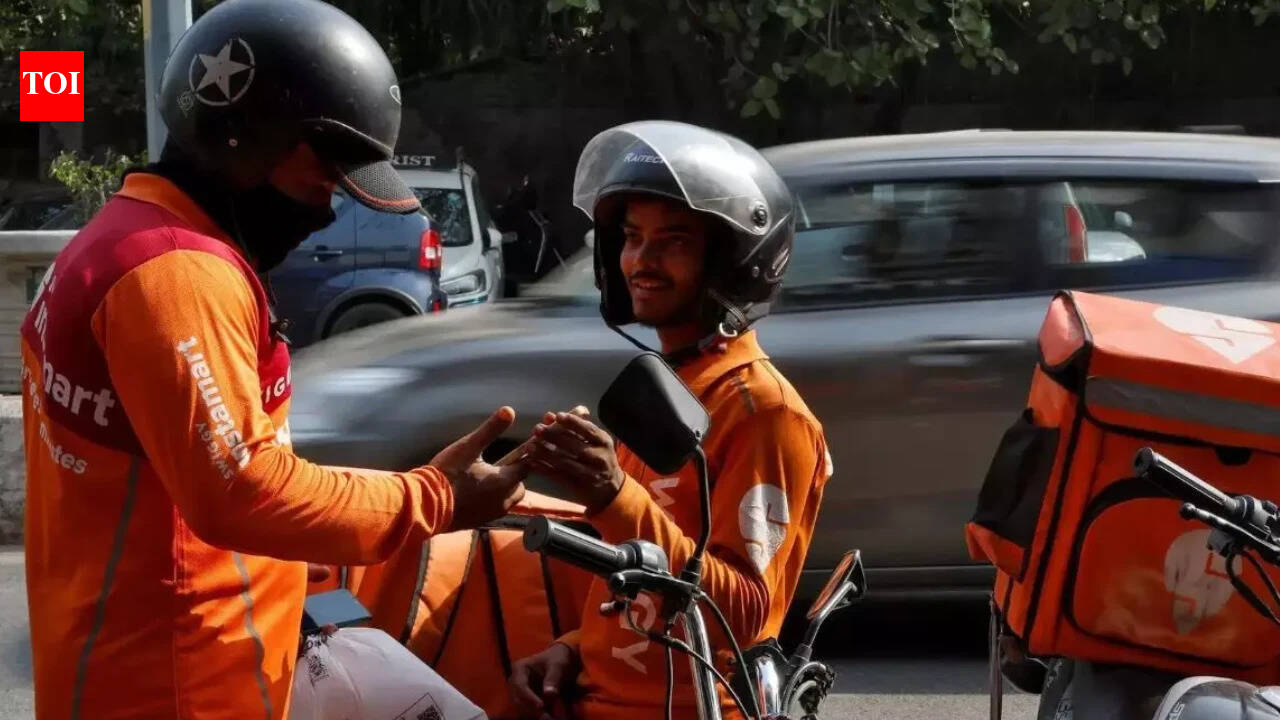
The newly covered sectors include retail chains, e-commerce firms, hospitals, diagnostic labs, telecom and internet service providers, automobile dealerships and repair services. Travel agencies, commercial airlines, food delivery platforms, ride-hailing aggregators and lending service providers are also on the list.
Distribution platform operators such as DTH, HITS, IPTV and multi-system operators are eligible too, but with a different test. They need a subscriber base of at least one million in any month during the previous 12 months.
The series is strictly for service-related and transactional voice calls, such as order updates, appointment confirmations or account-related communication. Promotional and marketing calls are not allowed on it. That restriction is central to the idea: if customers learn that a 1601 call is never a sales pitch, it becomes easier to trust.
Telecom access providers have 180 days from the date of the latest direction to onboard and migrate all eligible entities. They must publicise the series among eligible businesses and send Trai progress reports every 15 days. A final compliance report is due within 15 days of the 180-day period ending. Trai has said it will review the rollout and may extend the framework to more sectors or entities.
This is the second phase of the rollout. An earlier Trai direction, dated 10 August 2026, covered utilities, logistics and courier companies.