Trump and Xi agree humans must stay in the loop on military AI, Bessent says
Treasury Secretary Scott Bessent says the two leaders agreed that no major military action should be left to autonomous AI, even as the US and China race for technological dominance.
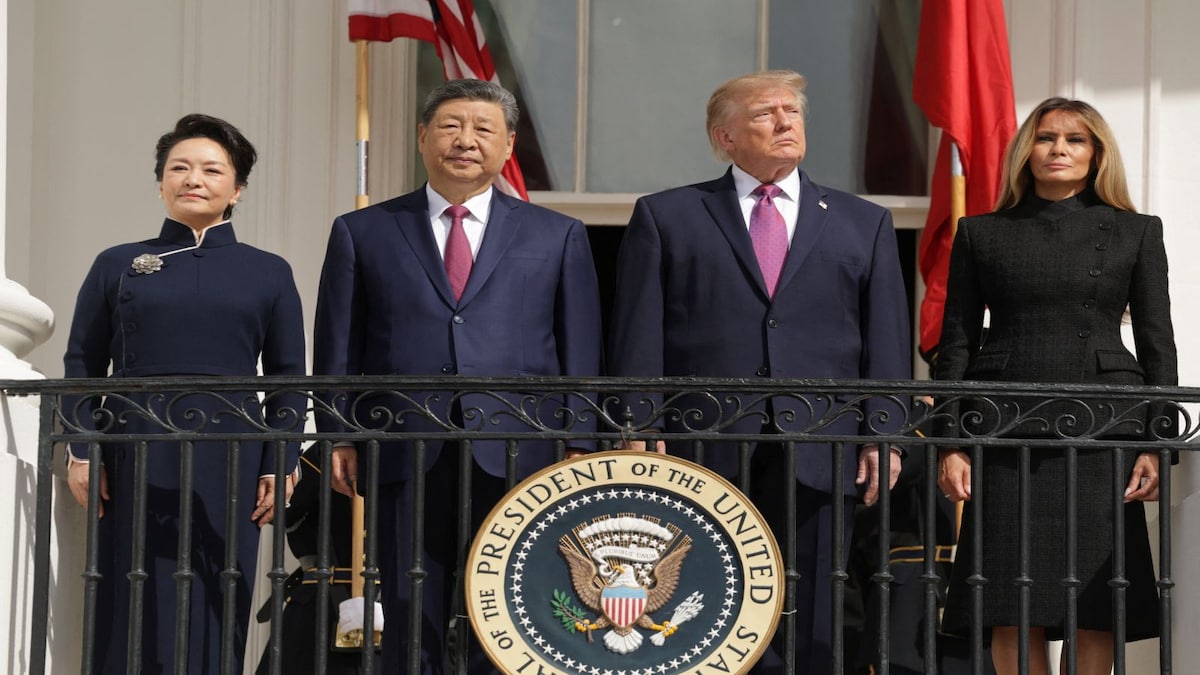
US President Donald Trump and Chinese President Xi Jinping have agreed that a human must always be involved when artificial intelligence is used in military decisions, Treasury Secretary Scott Bessent said on Friday. He spoke to CNBC after returning from Trump's meeting with Xi in Shenzhen, China.
Bessent called the understanding one of the big wins of Trump's Asia trip. He said the AI should not be allowed to act autonomously in major military operations. He used the administration's preferred term for the technology, "super intelligence."
The rivalry between the two countries, he argued, does not touch this deal. "There's nothing to do with competition" when both sides say no major military operation should launch without a person involved, he said. The US still wants its AI labs to keep their lead, which he called the best defense against "dangerous" Chinese AI models used in cyberattacks.
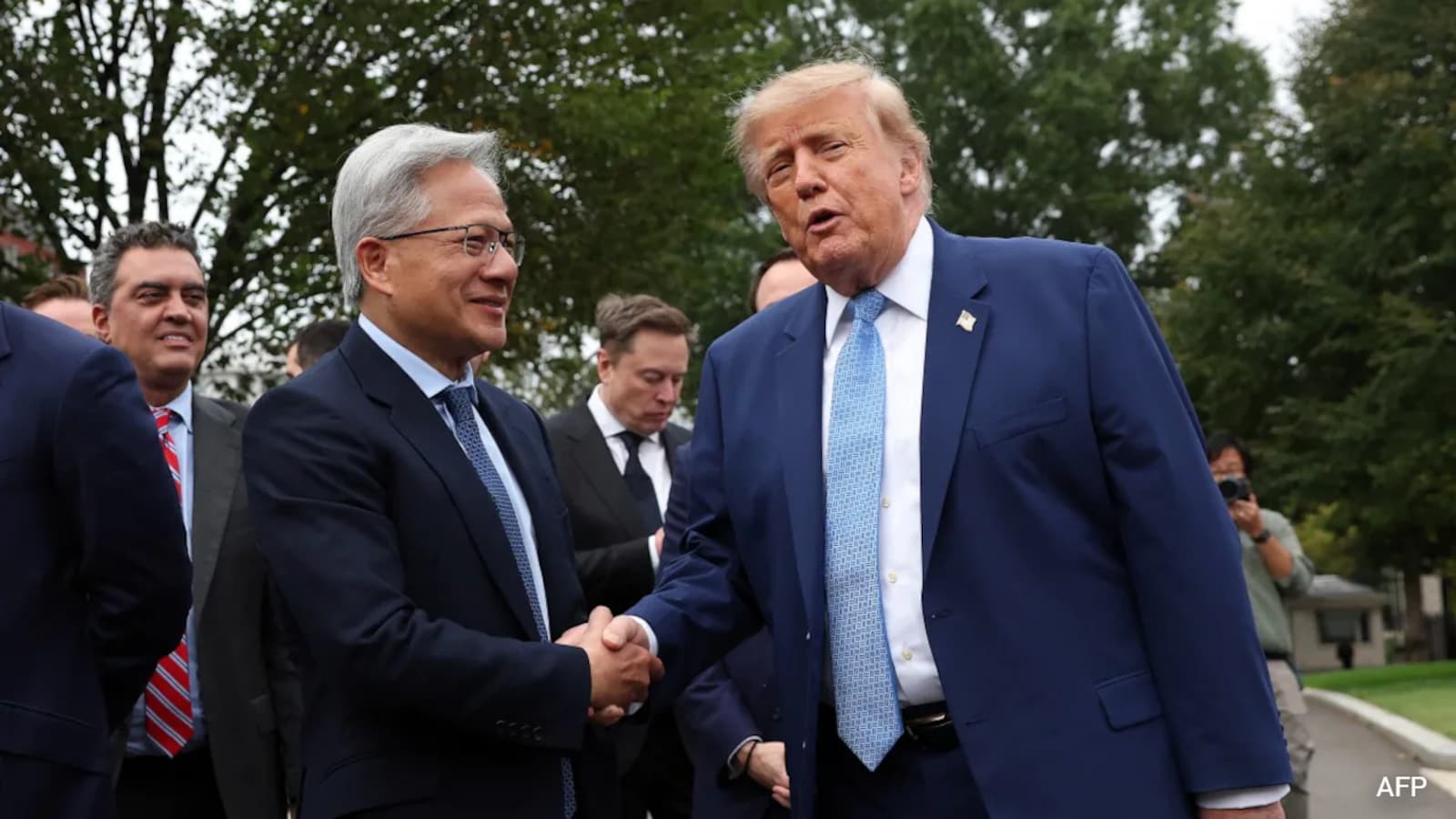
Chips were another thread. Bessent said Nvidia's H200, its second-tier AI chip, remains the most advanced one China can buy with licenses, after Trump took a "very firm line." He noted that Chinese orders for it have been thin as Beijing builds its own chip stack, which he believes is "many years behind." Spying allegations involving former Nvidia CEO Jensen Huang and a Chinese national did not come up in the leaders' meeting, he said.
The Commerce Department moved on Monday to tighten China's access to advanced AI chips further, including those in overseas data centers where Chinese entities rent computing power. Bessent played down any gap between his views and those of Commerce Secretary Howard Lutnick, saying officials are "all committed to following President Trump's instructions."
On trade, Bessent described a "robust discussion" but gave no specifics. Officials had warned that no "Board of Trade" deals would be announced. That process involves proposed tariff cuts on about $30 billion of non-strategic imports each way, including some farm goods from China and mostly consumer goods from the US. Final decisions on those cuts and on the tariff truce seem likely to wait for a fourth Trump-Xi meeting at the G20 summit in Miami in mid-December.
Bessent said the US does not want to decouple economically from China. "We just need to de-risk," he said.
Read the original report: CNBC-TV18.